Dear reader,
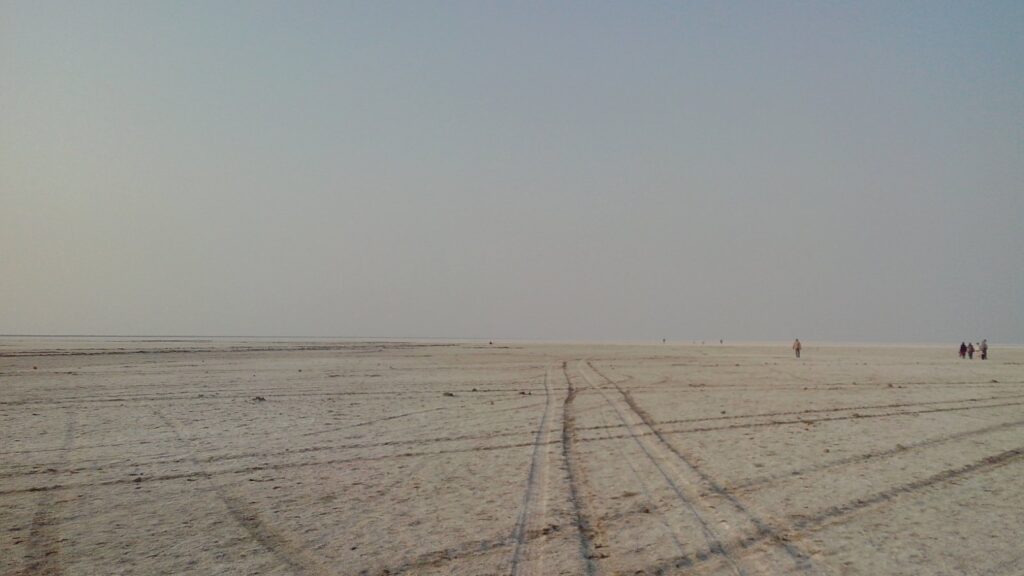
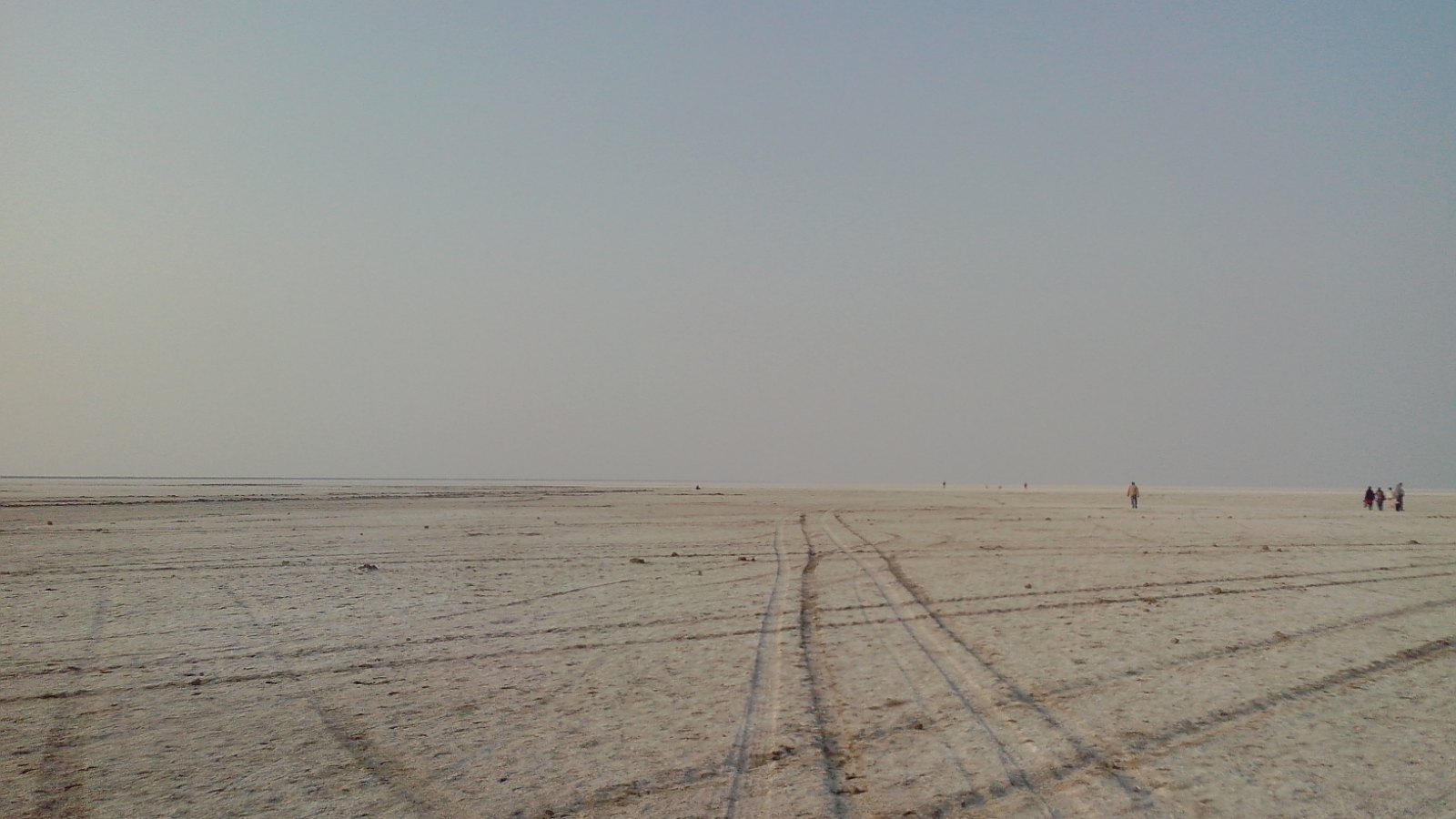
Gujarat is a state of edges. On its western edge, the great white salt flats of the Rann of Kachchh stretch towards the horizon. On its south, the Arabian Sea has carried traders, pilgrims and ideas to and from its ports for thousands of years. Inland, the forests of Gir shelter the last wild Asiatic lions, and the hills of Saurashtra rise to temple-crowned summits. In between lie busy cities, quiet step wells, embroidered villages and some of the most generous vegetarian kitchens in India. This March issue of Travel Viewpoint is about Gujarat, the glorious land.
March is a good month to visit, though it is the end of the comfortable season rather than the middle of it. Mornings are pleasant, afternoons are already warm, and by April much of the state will be hot. If you are planning a trip soon, start early in the day, rest through the afternoon, and enjoy the long, golden evenings. Holi falls in late March this year, and in many towns and villages you may find yourself caught up in the colour.
Travel with patience
We are still travelling in an uncertain time. Rules for gatherings, temple visits and festivals can change at short notice, so please check the latest official guidance before you go, keep plans flexible, and respect the arrangements that each place has made for its visitors and its people. A little patience protects everyone.
Inside this issue
We begin with an introduction to Gujarat as a whole, a state shaped by trade and faith, by desert and coast. From there we travel to Ahmedabad, the commercial hub, whose old walled city was recognised as India’s first UNESCO World Heritage City in 2017. Its pols, the tight-knit residential neighbourhoods with carved wooden houses and bird feeders, are among the most rewarding places for a slow morning walk anywhere in the country. Ahmedabad also holds the Sabarmati Ashram, from where Mahatma Gandhi set out on the Salt March in 1930.
We go west to Bhuj, the jewel of Kachchh, a town that has rebuilt itself with great courage after the earthquake of 2001, and the gateway to the villages and craft traditions of the region: embroidery, block printing, bandhani tie-dye, mud-work and much more. In Saurashtra, we visit Jamnagar, known as Chhoti Kashi for its many temples; Junagadh, an ancient fortified city beneath the slopes of Girnar; Bhavnagar, with its royal past and coastal setting; and Porbandar, the old port town where Mahatma Gandhi was born.
Moving east and south, we travel to Vadodara, the cultural city, with its palace, museums and art schools, and to Surat, the great trading city of diamonds and textiles. We end at Somnath, the shore temple facing the sea, one of the most revered Jyotirlinga shrines in India, whose long history of destruction and rebuilding is a story in itself.
The Gujarat between the cities
Our writers cover the famous places, but I want to encourage you to look between them as well. Gujarat’s step wells, its small museums, its weaving villages and its roadside farsan shops are part of the experience. Rani ki Vav at Patan, a UNESCO World Heritage Site, is a step well so richly carved that it feels like an underground temple. Champaner-Pavagadh, also on the UNESCO list, combines a hill shrine with the ruins of a medieval city. In Kachchh, the remains of the Harappan city of Dholavira remind you that people have lived and traded here for thousands of years.
Then there are the lions. Gir National Park, in Saurashtra, is the only place in the world where Asiatic lions live in the wild. Visits are by permit, and the park usually closes in the monsoon, so check current timings and booking rules well ahead.
Food
Gujarat is a gift for vegetarian travellers. The Gujarati thali, with its many small bowls of dal, kadhi, vegetables, farsan, rotlis and sweets, is a feast in itself. Do try dhokla, khandvi, thepla, handvo and the many kinds of farsan in a local shop. In Kachchh, try simple rotla with buttermilk and jaggery; in Surat, the famous street snacks. Many Gujarati dishes balance sweet, sour and spicy in ways that surprise visitors at first and then become addictive. Ask your hosts to explain what is on your plate.
Crafts and the people behind them
If there is one thing I hope you will take from this issue, it is respect for the craftspeople of Gujarat. The embroidery of Kachchh, the patola silk of Patan, the bandhani of Jamnagar and the block prints of Ajrakhpur are not souvenirs; they are living traditions carried by families over generations. Where possible, buy directly from artisans or from cooperatives that pay them fairly. Ask how long a piece took to make. You will value it more, and so will they.
Getting around
Ahmedabad and Vadodara are well connected by air and rail, and Bhuj, Rajkot and other regional towns are reachable by train, bus or road. Highways across the state are generally good, but distances add up quickly, especially between Kachchh and southern Gujarat. Hiring a car and driver for a regional loop is often the most relaxed option. Carry water, a hat and sunscreen in March, and plan long drives for the cooler hours of the morning.
Slow down
Gujarat is large, and distances between its regions are long. It is tempting to try to cover Ahmedabad, Kachchh, Saurashtra and the south in a single trip. My advice is not to. Choose one region and get to know it well. Spend a morning in the pols of Ahmedabad, a day in a Kachchh village, an evening watching the sea at Somnath. You will come home with fewer photographs, perhaps, but much richer memories.
Thank you
Thank you, as always, for reading and for writing to us. Your stories of journeys past have kept us company through a long year, and your plans for journeys to come give us hope. I hope this issue helps you see Gujarat with fresh eyes, and that you will go there, when the time is right, with curiosity and a good appetite.
With warm wishes,
Khushi Anand, Editor