
Vijayawada is often treated as a junction: a busy railway hub where travellers change trains on their way between Chennai, Hyderabad, Visakhapatnam and the north. Few stop for long. Yet the city, set on the banks of the Krishna river among rocky hills, and the region around it hold some of the most interesting places in Andhra Pradesh: a hilltop goddess temple, rock-cut caves, a great river barrage, a fort with a toy-making village below it, and the remains of one of the most important Buddhist sites in India at Amaravati. This is a plan for three slow days, designed for understanding rather than ticking boxes.
Before you go
April is hot in Vijayawada, and by midday temperatures can be very high. Plan to be out early in the morning and again in the late afternoon and evening, and rest through the middle of the day. Carry water, a hat and light cotton clothing. We are also travelling in an uncertain time, so please check the latest official guidance before your trip and before visiting temples or museums, as arrangements may change at short notice.
Day one: the goddess and the river
Begin early with a visit to the Kanaka Durga temple on the Indrakeeladri hill, overlooking the Krishna. The goddess Durga is worshipped here as Kanaka Durga, and the temple is one of the most important in Andhra Pradesh. It is busiest during Navaratri and on festival days, but early mornings on ordinary days are calmer. Dress modestly, follow the temple’s customs, and check current darshan arrangements before you go.
From the hill, you can see the Krishna river spreading wide below the city and the Prakasam Barrage stretching across it. After breakfast, head down to the river. The barrage, built across the Krishna, feeds a network of canals that irrigate the rich farmlands of the delta, and it helps explain why this region has been so prosperous for so long. Walk or drive along it in the morning light, and watch the water.
Rest in the afternoon. In the evening, if boat services are running, consider a short trip to Bhavani Island, a large island in the Krishna that has been developed for visitors, or simply sit beside the river and watch the sun go down over the water.
Day two: caves and toys
On the second morning, cross the river to the Undavalli caves, a few kilometres from the city. These rock-cut caves, carved into a sandstone hillside, are associated with early Buddhist and later Hindu traditions and are thought to date back many centuries. The largest has several storeys and contains a striking reclining figure of Vishnu carved from a single block of rock. Climb to the upper levels for views across the green fields towards the river. The site is usually quiet in the early morning.
Later, drive north-west of Vijayawada to Kondapalli, a short trip from the city. The Kondapalli fort, on a hill above the town, has a long history connected with several of the region’s dynasties. It is partly ruined, but the climb and the views are worthwhile.
Below the fort lies the village of Kondapalli, famous for its wooden toys. Artisans here carve figures from a soft, light local wood, then paint them in bright colours: village scenes, animals, deities, dancers and the familiar ambari elephant. Visit a workshop if you can and watch the work being done. Buy directly from the craftspeople. These toys are a living tradition, and your purchase supports the families who keep it alive.
Return to Vijayawada in the afternoon and rest. In the evening, explore the city’s markets and try a full Andhra meal: rice, pappu, rasam, vegetable curries, spicy pickles including gongura, crisp appadams and curd. If you enjoy heat, Andhra food will delight you. If you do not, ask for milder dishes; people are usually happy to help.
Day three: Amaravati
Spend your last day at Amaravati, on the banks of the Krishna, about an hour’s drive from Vijayawada. Do not confuse the ancient town with the new capital region being developed nearby; the historic site is beside the old temple town on the river.
Amaravati was once home to one of the greatest Buddhist stupas in India, the Mahachaitya, decorated with exquisitely carved limestone panels that showed scenes from the life of the Buddha and the world around him. Most of the stupa has vanished, and many of its finest carvings are now in museums in Chennai, Kolkata and London. But the site itself, with its circular base and fragments of railings, is still moving. The Archaeological Museum next to the site displays sculptures and panels recovered from the area and helps you imagine what the stupa once looked like.
Nearby is the Amareswara temple, a Shiva temple that is an important pilgrimage centre. The combination of Buddhist ruins and a living Hindu shrine in the same small town says a great deal about the layered history of this region.
Return to Vijayawada in the afternoon and take a final walk by the river before you leave.
What you will not have done
You will not have travelled to Machilipatnam on the coast, where Kalamkari textiles are made, or explored the Krishna delta villages, or seen Srisailam or Nagarjuna Sagar further upstream. These all deserve their own trips. That is fine. You will have seen a river city from its hills, its caves and its banks, met the craftspeople of Kondapalli, and stood among the remains of a great stupa. That is a fuller understanding of the Krishna valley than most travellers ever get.
Practical notes
- Getting there: Vijayawada has an airport and is one of the busiest railway junctions in South India.
- Getting around: Hiring a car with a driver for day trips is the easiest option. Auto-rickshaws work within the city.
- Timing: Check opening hours for the Undavalli caves and the Amaravati museum before going. Either may be closed on certain days.
- Food: Try pesarattu for breakfast, and a full Andhra meal at least once. Ask for less spice if you need it.
- Current guidance: Please check official advice for temples, museums and boat services before you go.
A final word
Vijayawada will probably never be a famous tourist destination, and perhaps that is its charm. Stay three days instead of three hours, and the city and its river will reveal a long, rich story that most travellers simply pass by.
More from Issue 24
- April 2021: Inside This Issue
- Editor’s Letter: Andhra Pradesh, a Coast and Its Hills
- The Antique Andhra Pradesh
- The Hi-Tech Hyderabad City
- Warangal, The Historic Town
- Visakhapatnam – The ‘Jewel’ of the East Coast of India
- Places to visit near Hyderabad
- Nagarjuna Sagar Dam- Nagarjunakonda
- Puttaparthi, Famous Pilgrim Center
- Tour of Vijayawada – Explore The City Of Victory
- Visakhapatnam to Araku: The One Route That Explains Andhra Pradesh
Editor’s Letter: Haryana & Chandigarh, the Neighbours We Overlook
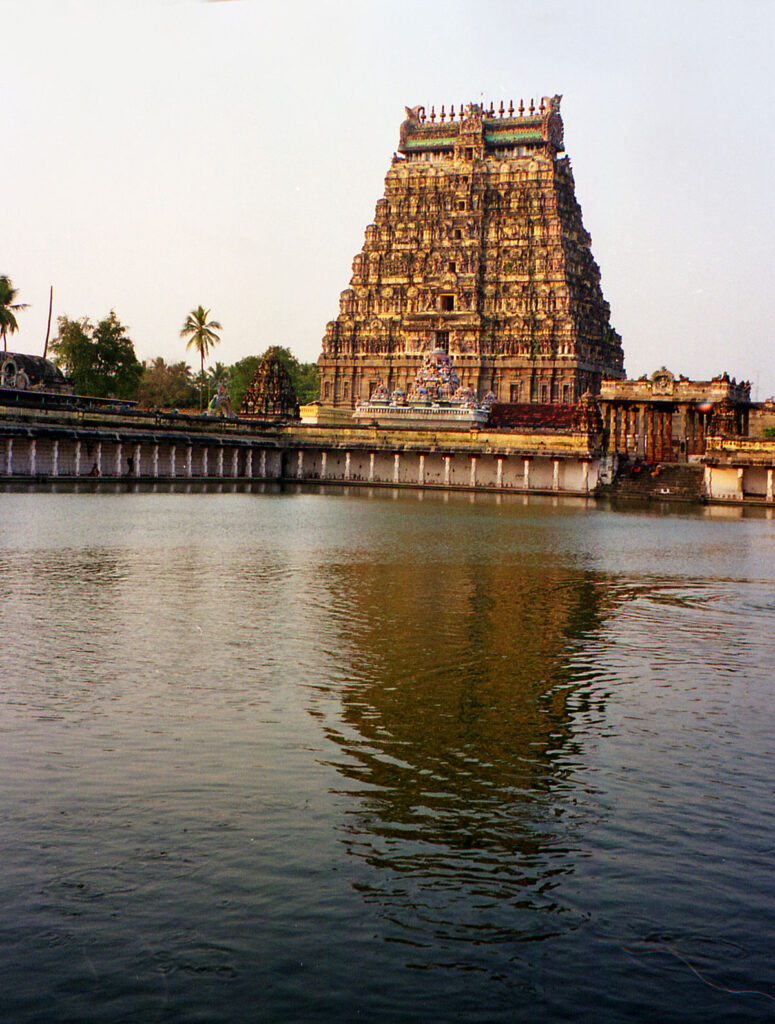
Chidambaram, Hindu Pilgrim Center
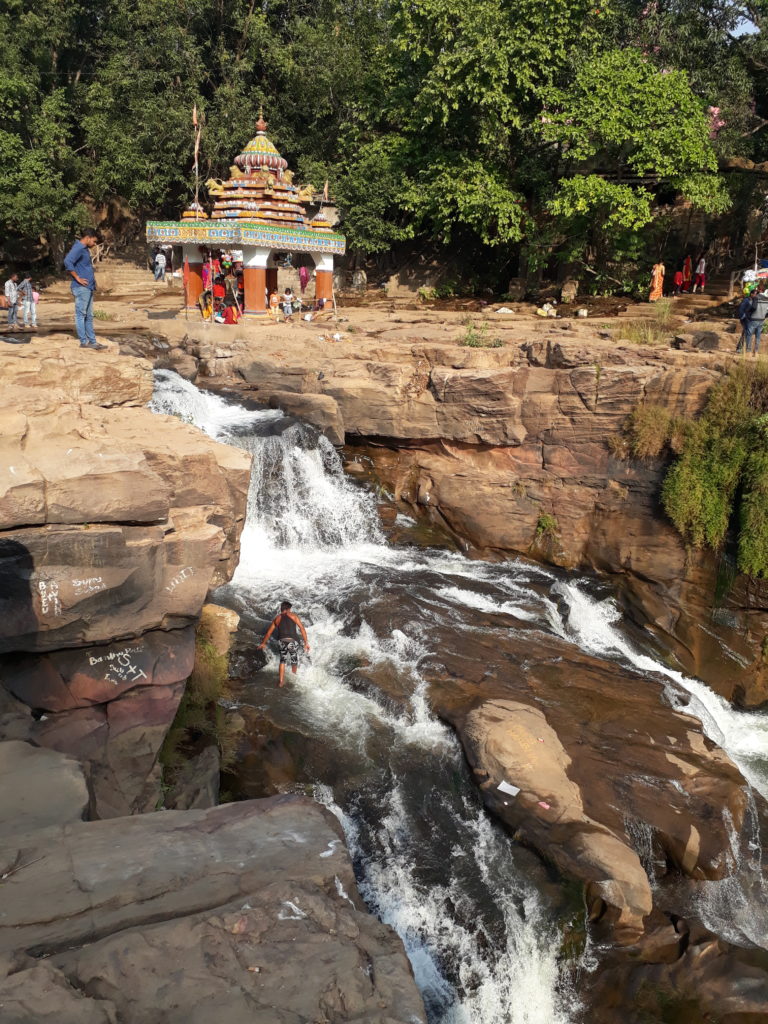
Know More About “The Mahanadi”
The Town You Sleep In
Why the base town shapes a monsoon waterfall trip more than any single fall, what to look for, and towns in Karnataka, Kerala and Goa worth considering.
One village ghat upriver
Train versus road that week
Markets before the 20th, not on it
Journeys Worth Discovering
Explore inspiring destinations, memorable journeys and travel stories from across India and beyond.
Explore destinations




