
The dates, distances, bridges and festivals that define India’s most literary city
Kolkata is a city that likes arguments, but it also loves facts. Ask anyone at a cabin table and you will be told, with absolute confidence, which year the first tram ran, how long Howrah Bridge is and who won the Nobel Prize first. This index gathers those numbers in one place, as a quick reference for travellers and a starting point for those cabin arguments.
We have used the most widely cited figures. Where the sources disagree, we say so. Please check opening days and transport changes before you travel; they change faster than history does.
The big numbers: the city and its people
- City population: about 4.5 million in the Kolkata Municipal Corporation area at the 2011 census, the last completed national count.
- Metropolitan population: about 14 million in the wider Kolkata urban agglomeration (2011), among the largest in India.
- State: capital of West Bengal.
- Language: Bengali is the main language; Hindi, Urdu and English are widely used.
- Name: officially changed from Calcutta to Kolkata in 2001.
History in dates
- 1690: the year traditionally given for the founding of Calcutta, when the East India Company agent Job Charnock settled at Sutanuti. Historians point out that the villages of Sutanuti, Gobindapur and Kalikata already existed, and in 2003 the Calcutta High Court declined to recognise any single founder or founding date.
- 1698: the Company acquired rights to the three villages.
- 1757: after the Battle of Plassey, British power in Bengal was secured; this is also the year traditionally given for the first Durga Puja at Shobhabazar Rajbari. See our courtyards story.
- 1772 to 1911: Calcutta was the capital of British India until the capital moved to Delhi in 1911.
- 1814: the Indian Museum was founded, the oldest museum in India. More in Kolkata’s cool interiors.
- 1861: Rabindranath Tagore was born at Jorasanko Thakur Bari.
- 1913: Tagore won the Nobel Prize in Literature, the first non-European to do so.
- 1921: the Victoria Memorial opened to the public.
The river and its bridges
- The Hooghly: a distributary of the Ganga, flowing about 260 km from the Farakka region to the Bay of Bengal (figures vary).
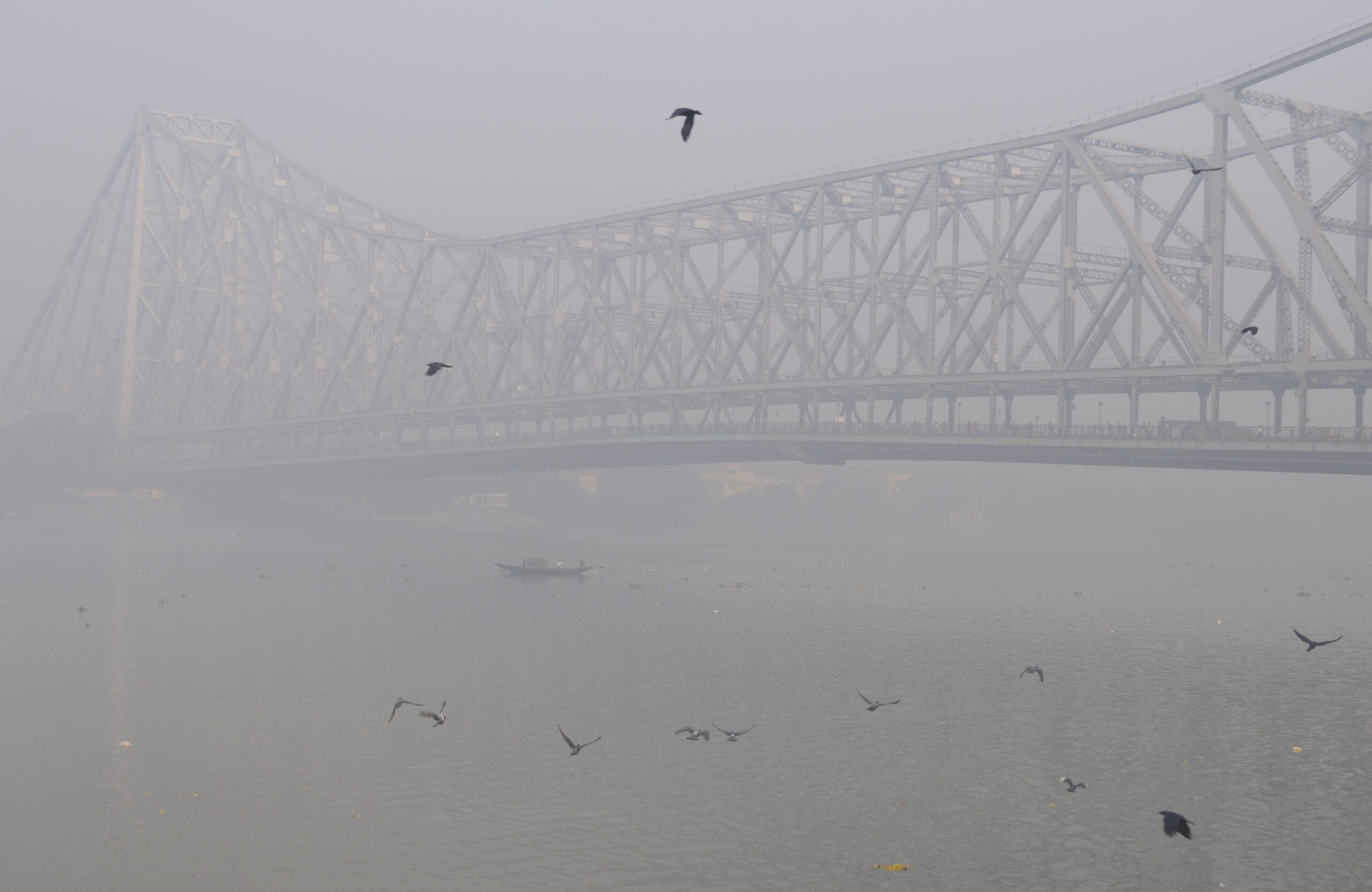
- Howrah Bridge (Rabindra Setu): opened in 1943; a cantilever bridge with a main span of about 457 metres, built without nuts and bolts and riveted throughout. It carries one of the heaviest traffic loads of any bridge in the world.
- Vidyasagar Setu: opened in 1992; a cable-stayed bridge and one of the longest of its kind in India.
- Ghats: the city’s riverfront has dozens of ghats, from Mullick Ghat’s flower market to Prinsep Ghat. See the ghats at dawn and the Hooghly in the evening.
Getting around
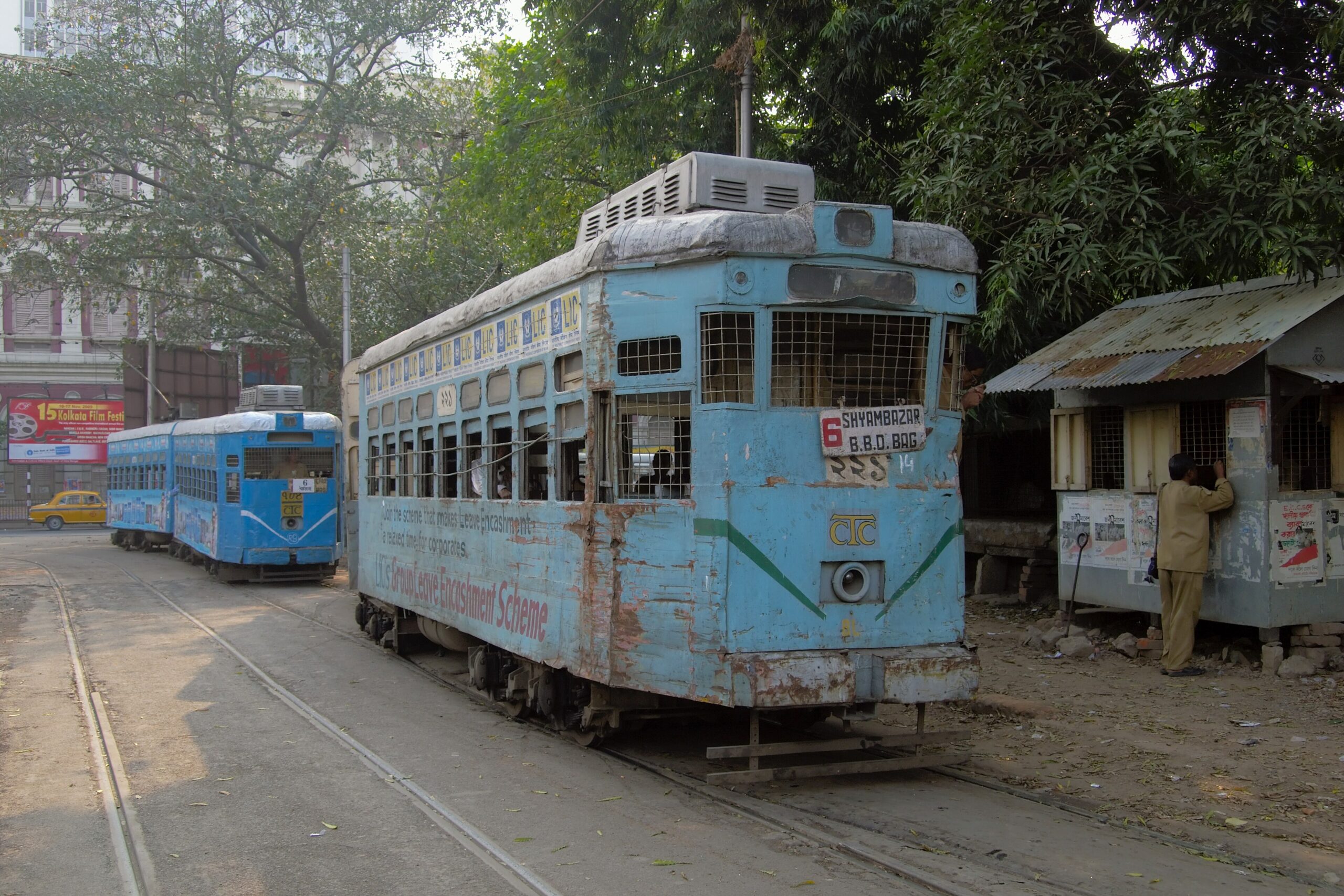
- 1873: horse-drawn trams first ran in Calcutta.
- 1902: electric trams began, the first in Asia according to the most common claim.
- 2024: the West Bengal government announced plans to withdraw most tram routes; the matter went to the Calcutta High Court. Check current routes before you travel. Read our guest tram morning.
- 1984: Kolkata Metro opened, India’s first metro railway.
- 2024: India’s first under-river metro tunnel, beneath the Hooghly on the Green Line (East-West Metro), opened to passengers.
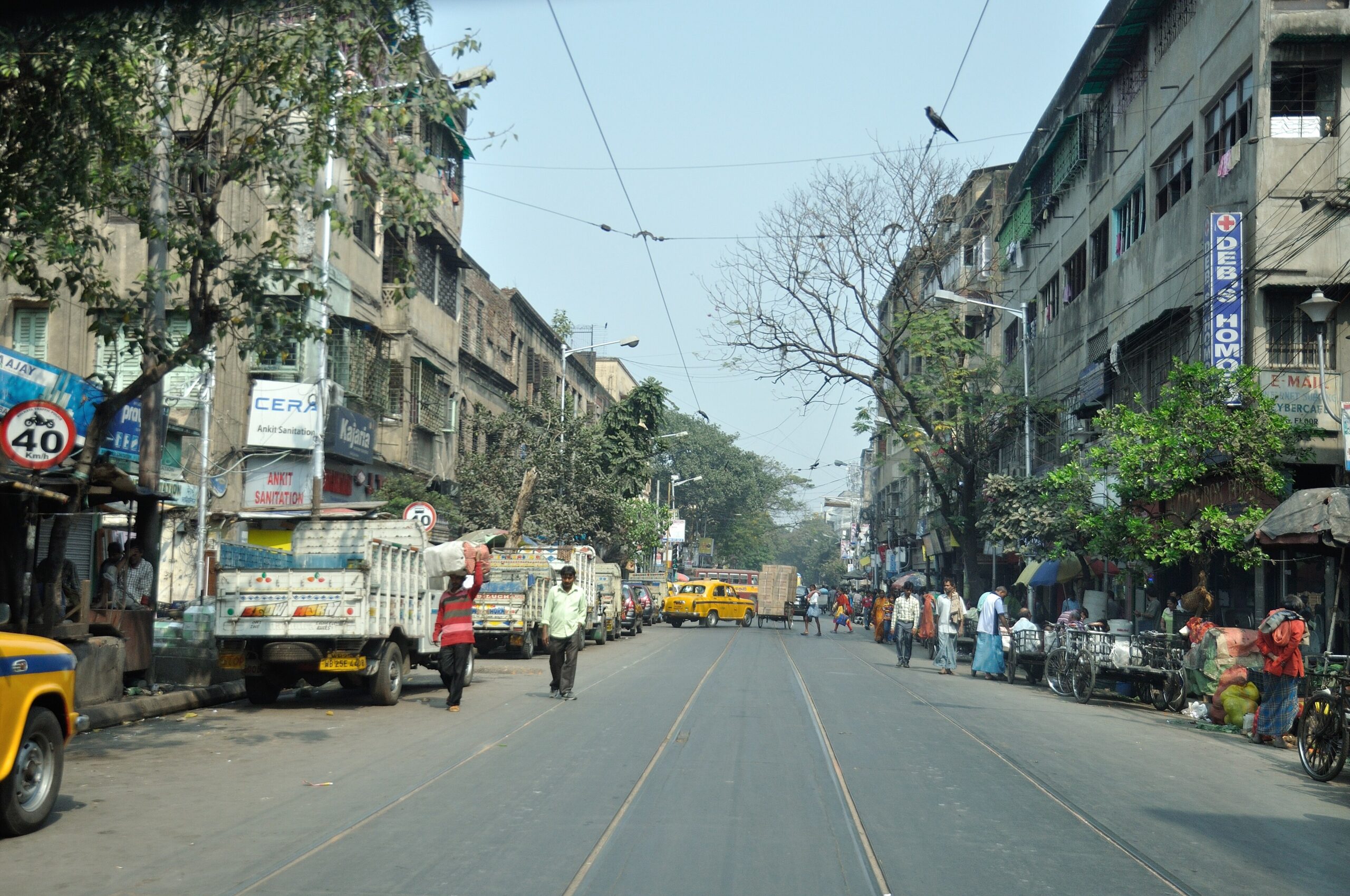
- Yellow taxis: the Ambassador cab is a Kolkata icon, though its numbers are falling.
Festivals and culture
- Durga Puja: in 2021, UNESCO inscribed Durga Puja in Kolkata on its list of the Intangible Cultural Heritage of Humanity. Thousands of community pandals go up across the city every autumn.
- Kumartuli: the idol-makers’ quarter in north Kolkata, with hundreds of workshops. See Kumartuli off season.
- International Kolkata Book Fair: held since 1976, one of the largest book fairs in the world by visitor numbers.
- Rabindra Jayanti: Tagore’s birthday, celebrated around 8 or 9 May (25 Baishakh in the Bengali calendar).
- Nobel laureates: Kolkata is connected to several Nobel laureates, including Tagore, Mother Teresa (Peace, 1979) and Amartya Sen (Economics, 1998).
Food
- Sweets: rosogolla and sandesh are the city’s signatures. In 2017 West Bengal received a Geographical Indication tag for “Banglar Rasogolla”.
- Chinese: India’s oldest Chinese community, with roots in the late eighteenth century. See Tiretta Bazaar.
- Cabins: old-fashioned cafes and snack rooms, some dating back a century. See Kolkata’s food rooms.
Landmarks
- Victoria Memorial: white Makrana marble, set in large gardens on the Maidan.
- The Maidan: a huge open space in the city centre, often called Kolkata’s lungs.
- Dakshineswar Kali Temple: completed in 1855, on the river’s east bank, linked with Ramakrishna Paramahamsa.
- Belur Math: across the river, the headquarters of the Ramakrishna Math and Mission founded by Swami Vivekananda.
- Marble Palace: built in 1835 by Raja Rajendra Mullick; visits need an advance permit.
Sport
- Eden Gardens: established in 1864, one of the oldest cricket grounds in the world still in use, and among the largest.
- Football: the city’s great clubs and their rivalries have a passionate following; Mohun Bagan’s 1911 win against an East Yorkshire Regiment team is a landmark in Indian sporting history.
The climate in May
- Temperature: May is among the hottest months; daytime highs commonly reach the mid-30s Celsius, with high humidity.
- Storms: May brings kalbaishakhi, the sudden evening thunderstorms (“nor’westers”) of the pre-monsoon season.
- Monsoon: usually arrives in the first half of June.
Read more in Kolkata in May.
The walking numbers
- North Kolkata walk: Shobhabazar to Jorasanko is a few kilometres, a comfortable morning on foot. See our walk.
- College Street: often called the largest second-hand book market in the world, and certainly one of the largest; the claim is widely repeated but hard to measure.
How to use this index
Treat these numbers as a launch pad. Pick a date, a bridge or a festival, and go and see it. Then sit down at a cabin, order tea, and find someone who will tell you the figure is wrong.

The Kalpa Village in Kinnaur, Himachal Pradesh

Somnath
What the lamps do to the lanes
The Town You Sleep In
Why the base town shapes a monsoon waterfall trip more than any single fall, what to look for, and towns in Karnataka, Kerala and Goa worth considering.
One village ghat upriver
Train versus road that week
Markets before the 20th, not on it
Journeys Worth Discovering
Explore inspiring destinations, memorable journeys and travel stories from across India and beyond.
Explore destinations




