
The dates, rivers, forts, festivals and figures behind the Queen of the Deccan
Pune likes to be precise. It is a city of teachers, scientists, soldiers and signboards, a place where people will tell you exactly when a temple was built and exactly how you are parking wrong. This index gathers the numbers that define the city, as a quick reference for travellers and a starting point for conversation.
We have used widely cited figures; where sources differ, we say so. Opening hours and transport change faster than history, so please check before you travel.
The big numbers: city and people
- City population: about 3.1 million in the Pune Municipal Corporation area at the 2011 census, the last completed national count; the city limits have since expanded.
- Metropolitan population: about 5 million in the wider urban area in 2011, and growing fast; current estimates are much higher.
- Altitude: roughly 560 metres above sea level, on the Deccan plateau, which helps keep it cooler than Mumbai.
- Distance from Mumbai: about 150 km by road.
- Language: Marathi; Hindi and English are widely spoken.
- Nicknames: the Queen of the Deccan, and the “Oxford of the East” for its colleges and universities.
Rivers and setting
- Mula and Mutha: the city’s two rivers meet at the Sangam in the city centre, and continue as the Mula-Mutha to join the Bhima.
- Khadakwasla Dam: on the Mutha, south-west of the city, one of Pune’s main water sources and a favourite drive on the way to Sinhagad Fort.
- The Sahyadris: the Western Ghats rise to the west of the city, dotted with dozens of forts within a few hours’ drive.
History in dates
- 1630: Shivaji is born at Shivneri Fort near Junnar (the date observed by the Maharashtra government; some sources give 1627). See Shivneri Fort.
- 1630s: Jijabai and the young Shivaji settle in Pune; tradition links the Kasba Ganpati temple to Jijabai.
- 1670: Tanaji Malusare recaptures Sinhagad.
- 1674: Shivaji is crowned at Raigad Fort.
- 1730-1732: Shaniwar Wada, the Peshwas’ palace, is built under Bajirao I.
- 1817-1818: the British defeat the Peshwa at the Battle of Khadki (1817), and Pune comes under British rule; the cantonment, Camp, grows. See Camp, and the lanes behind it.
- 1828: a great fire destroys much of Shaniwar Wada.
- 1848: Jyotirao and Savitribai Phule open a school for girls at Bhide Wada in Pune, among the first in India run by Indians.
- 1881: Bal Gangadhar Tilak co-founds the newspaper Kesari.
- 1892: the Aga Khan Palace is built.
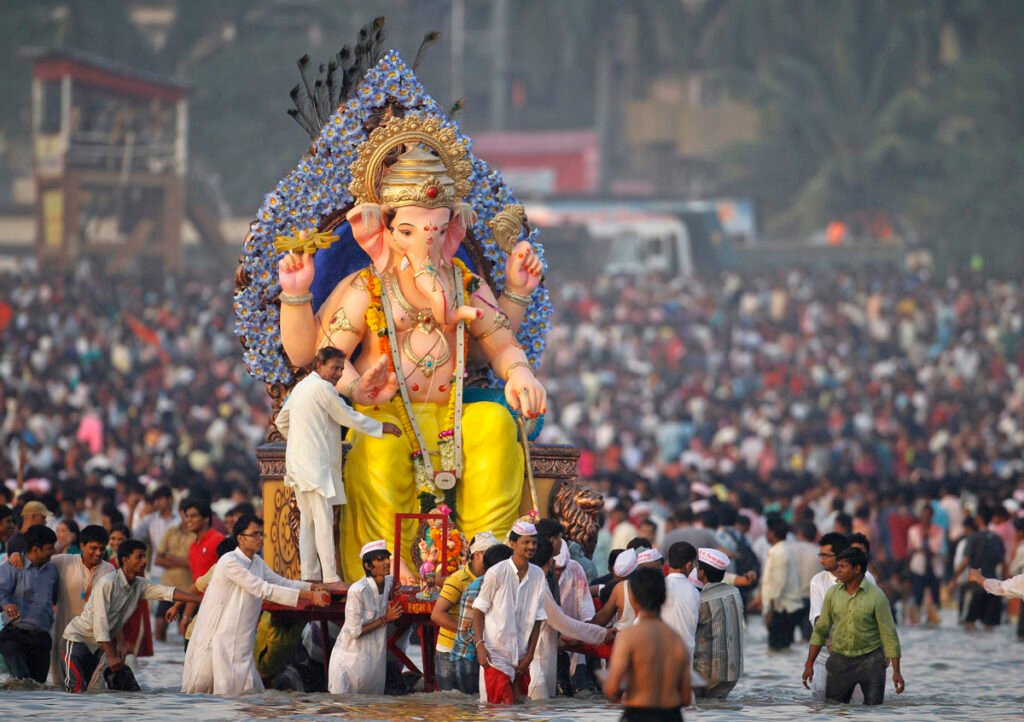
- 1893: Tilak helps turn Ganeshotsav into a great public festival.
- 1942-1944: Gandhi is held at the Aga Khan Palace; Kasturba Gandhi and Mahadev Desai die there. See Aga Khan Palace.
Learning and institutions
- Savitribai Phule Pune University: founded in 1949 as the University of Poona.
- National Defence Academy: at Khadakwasla, the joint training academy for India’s armed forces, established in the 1950s.
- Film and Television Institute of India: founded in 1960, on the old Prabhat Studios campus.
- Bhandarkar Oriental Research Institute: founded in 1917, known for its manuscripts and its critical edition of the Mahabharata.
Getting around
- Mumbai-Pune Expressway: India’s first six-lane, access-controlled expressway, fully opened in 2002; about 95 km long.
- Pune Metro: the first stretch opened in 2022, and the network has been expanding since; check current lines.
- Suburban rail: local trains run between Pune and Lonavala; perfect for one fort you can do before lunch.
- Two-wheelers: Pune is famous for its scooters; the city has one of the highest numbers of registered two-wheelers in India.
Festivals and culture
- Ganeshotsav: usually August or September, ten days of public celebration, with famous pandals and processions in the old city.
- Sawai Gandharva Bhimsen Mahotsav: a celebrated Hindustani classical music festival, held since the 1950s, usually in December.
- Palkhi: every year, before the Ashadhi Ekadashi, the palanquins of the saints Dnyaneshwar and Tukaram pass through Pune on the great Wari pilgrimage to Pandharpur, usually in June or July.
- Shiv Jayanti: 19 February, with celebrations across the region.
Food
- Misal pav, wada pav, bakarwadi, puran poli and mastani: the city’s signatures. See Pune food that is not a café list.
- Mango season: roughly April to June, when Alphonso mangoes come up from the Konkan.
Weather
- April: among the hottest months, with daytime highs often in the high 30s Celsius, but cooler nights than the coast.
- Monsoon: usually arrives in June; Pune gets far less rain than the Ghats to its west.
- Winter: November to February, with pleasant days and cool nights.
Around Pune
- Lohagad: about 1,000 m high, near Malavli; famous for its Vinchu Kata.
- Jejuri: the hilltop temple of Khandoba, about 50 km south-east, famous for turmeric. See a day in the Deccan.
- Morgaon: the first of the eight Ashtavinayak Ganesh temples.
How to reach
Pune International Airport at Lohegaon has domestic and some international flights. Pune Junction is a major railway station, with frequent trains to Mumbai. By road, the Mumbai-Pune Expressway takes about three hours, depending on traffic.
Best time to visit
October to February is the most comfortable. The monsoon, June to September, turns the surrounding hills green and is the favourite trekking season. April and May are hot, but the mornings are pleasant and the mangoes are in season.
Where to stay
The old city (the peths) puts you close to the heritage; Camp and Koregaon Park have a wide range of hotels and guesthouses; heritage homestays in old wadas are a characterful option. Read a guest week working from an old house.
Tips
- Start early: forts and walks are best before 10 am.
- Old-city eateries often close in the afternoon.
- Check fort and monument timings and any entry rules before you go.
How to use this index
Pick a date, a fort, a dish or a festival, and go and find it. Then, at a breakfast table in the old city, tell someone your figure, and see if they agree. In Pune, they probably won’t.
Bishnupur
Ganesh Chaturthi

Thrissur Pooram Festival, Kerala
The Town You Sleep In
Why the base town shapes a monsoon waterfall trip more than any single fall, what to look for, and towns in Karnataka, Kerala and Goa worth considering.
One village ghat upriver
Train versus road that week
Markets before the 20th, not on it
Journeys Worth Discovering
Explore inspiring destinations, memorable journeys and travel stories from across India and beyond.
Explore destinations




