
Dear readers,
Every April I promise myself I will not go to the Deccan in the heat. And every April, Pune talks me out of it. It might be the mangoes arriving from the Konkan, or the early mornings, cool enough on the forts to make the climb a pleasure, or the old city at six, when the breakfast rooms open their shutters and the temple bells start. Whatever it is, this issue is the result: a whole month of Pune, the Queen of the Deccan, and the hills and forts around it.
Pune is easy to underestimate. Many travellers know it only as a stop between Mumbai and somewhere else, or as a city of colleges, software parks and traffic. But it was the seat of the Peshwas, the setting of Shivaji’s childhood, a centre of India’s social reform movement and its freedom struggle, and it remains one of the country’s great cities for music, learning and food. All of it is within reach on a long weekend, if you get up early.
The forts
We begin, as Pune always does, with forts. The Sahyadri hills to the west of the city are scattered with them, and four of the most famous anchor this issue.
Sinhagad Fort is Pune’s own fort, the Lion Fort, the city’s favourite sunrise climb and the scene of Tanaji Malusare’s legendary assault in 1670. Go early, climb slowly, and stay for the pithla bhakri and curd at the top.
Shivneri Fort, above the town of Junnar, is where Shivaji was born. It is a gentler, greener climb than most, with seven gates, a temple to the goddess Shivai, and views across a landscape of Buddhist caves.
Raigad Fort is a longer journey, but an essential one: the capital where Shivaji was crowned in 1674, and where he died. Take the ropeway or climb the steps, and walk the ruins of the marketplace and the royal court.
If you only have a morning, our writer has found one fort you can do before lunch: Lohagad, a local train ride away, with the scorpion’s tail ridge of Vinchu Kata stretching out beyond it.
The city
Back in Pune, we walk through the city before the weekend traffic: Shaniwar Wada’s great walls, the Kasba Ganpati temple, the peths and the market lanes, all seen before the scooters wake up.
Then we cross town to Camp, and the lanes behind it, the old cantonment, with its churches, its synagogue, its bakeries and its unhurried lanes, a different Pune altogether.
The Aga Khan Palace deserves a quiet hour of its own. Gandhi was held here from 1942 to 1944, and Kasturba Gandhi and his secretary Mahadev Desai died here. It is one of the most moving places I know in India.
The food
I have tried for years to write a short list of where to eat in Pune and failed. So we did something different: Pune food that is not a café list is a guide to what to eat and how, from fiery misal to cooling mastani to the thali, and the kinds of places that serve it best. Bring an appetite and an open mind about Puneri signboards.
Beyond the city
For a different kind of day, we head south-east into a day in the Deccan, back by night: the carved hilltop temple at Bhuleshwar, the turmeric-gold steps of Jejuri, and the Mayureshwar Ganesh temple at Morgaon, home in time for dinner.
A guest, an old house
This month’s guest writer did something I have long wanted to do: spent a week living and working from a traditional wada in the old city. A guest week working from an old house is about courtyards, early mornings, Wi-Fi and five o’clock tea, and it made me want to move my own desk to the window.
The numbers
Finally, our Pune index gathers the dates, figures and festivals that define the city, from the Battle of Khadki to the first Pune Metro line. Take it with you and test the locals. They will always have a correction.
How to reach Pune
Pune is easy to get to. Pune International Airport at Lohegaon connects the city with most major Indian cities. By rail, Pune Junction has frequent trains to and from Mumbai, several of which make the journey through the Ghats a highlight in itself. By road, the Mumbai-Pune Expressway brings you in from Mumbai in about three hours, traffic allowing. For the forts, a car with a driver gives you the most freedom, while state transport buses and local trains reach many of them for very little.
Where to stay and eat
Each of our stories suggests the kinds of places to stay and eat nearby, but here is the short version. Stay in or near the old city if you want to walk to the heritage and the breakfast rooms at dawn. Stay in Camp or Koregaon Park for a wider choice of hotels and a quieter evening. For the forts, simple lodges and homestays near the base villages let you start before sunrise. And eat where the locals queue.
A note on this issue
As always, we have checked facts as carefully as we can, and we have flagged anything uncertain in the stories. Dates of birth, fort heights and opening hours often differ between sources; if you find a mistake, please write to us, and we will correct it.
Before you go
A few words of practical advice. April is hot, so start everything early and rest in the afternoon. Wear proper shoes on the forts, carry water, and check timings and any entry rules before you set out, as they change. In the old city, many traditional eateries close in the afternoon and keep their own rules; enjoy them. And whatever you do, try a mango.
Pune rewards the curious and the early riser. I hope this issue gets you out of bed before dawn at least once, with a fort on the horizon and a cup of tea in your hand.
Happy travels,
Khushi Anand
Editor, Travel Viewpoint

Intriguing Facts About Festivals, Forts, and Forests
January 2021
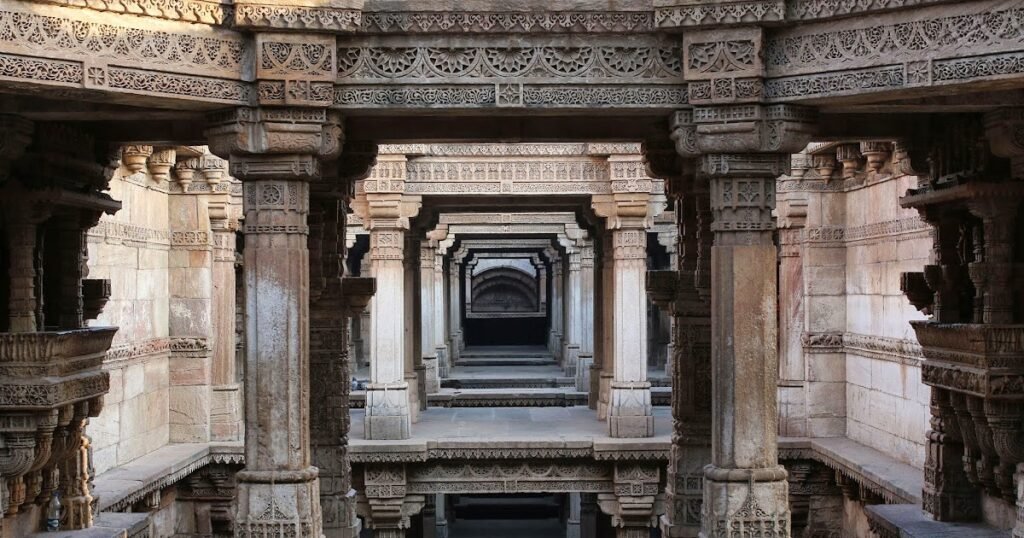
The Adalaj Stepwell in Ahmedabad, India
The Town You Sleep In
Why the base town shapes a monsoon waterfall trip more than any single fall, what to look for, and towns in Karnataka, Kerala and Goa worth considering.
One village ghat upriver
Train versus road that week
Markets before the 20th, not on it
Journeys Worth Discovering
Explore inspiring destinations, memorable journeys and travel stories from across India and beyond.
Explore destinations




