
Guest post. [Guest author name and short bio to be added before publishing.]
I had wanted to go to the Hornbill Festival for years before I finally went. I had seen the photographs everyone has seen: the headdresses, the spears, the log drums, the line of warriors moving across a field. I thought I knew what I was going to. I did not, and that is the best thing I can say about my first Hornbill.
Getting there
I came the way most people come, by train to Dimapur and then by road up to Kohima. I had sorted my Inner Line Permit online a couple of weeks before, which I would recommend to anyone; I watched a family at Dimapur station having a much harder morning than I did.
The drive up was longer than the map suggested. The road climbs steadily, and there were stretches of construction and slow trucks. By the time we reached Kohima it was dark and cold, and I learned my first lesson: the hills get chilly the moment the sun goes, and my “light jacket” was not enough. I bought a proper woollen layer in the market the next morning and wore it every evening after that.
The first morning
I had planned to go straight to Kisama on the first day. My homestay host, a retired schoolteacher, gently suggested I spend the morning in town instead. “The festival will still be there in the afternoon,” she said. “Go and see the cemetery first.”
So I did. I walked to the Kohima War Cemetery just after breakfast. It is a terraced hillside of graves and memorials from the 1944 battle, and it was almost empty at that hour. I read the names for a long time. I had known, vaguely, that there had been fighting in this part of India during the Second World War. Standing there, it felt very close.
Later, my host told me a little of what her own family remembered of those years, and of the decades of conflict that came after. I realised I had arrived with the idea that Nagaland was a “remote” place, and that it is only remote if you are looking at it from somewhere else.
Kisama
When I finally reached the Naga Heritage Village in the afternoon, it was crowded, colourful and loud. The main arena had a performance going on, with a troupe singing as they moved in a slow line. Around the grounds, each of the tribal morungs had its own small world: people cooking over fires, older men sitting and talking, young people in full traditional dress taking selfies on their phones between performances.
That last image stayed with me. I had imagined the festival as something preserved from the past. What I saw was people very much in the present, choosing to wear and perform their traditions, and also checking their messages. It was not less authentic for that. If anything, it was more honest.
I spent most of that first afternoon at the morungs rather than in the arena. At one, a young woman explained the carvings on the posts: what the mithun head meant, why a hornbill appeared here and not there. At another, I tried smoked pork cooked with bamboo shoot, and then, unwisely, a chutney made with king chilli. I will not describe what happened next, except to say that the cook laughed kindly and brought me rice.
What I got wrong
I made the mistake of staying until the very end of the afternoon programme. When it finished, everyone left at once, and the road back to Kohima turned into a long, cold queue of vehicles. My driver was patient; I was not. On the following days I left earlier, while it was still light, and enjoyed the evenings in town far more.
I also took too many photographs on the first day, and not enough time looking. By the third day I had put the camera away for long stretches, and I remember those hours much better.
A night in a village
The single best part of my trip was a night in a village outside Kohima, arranged through my homestay host. I stayed with a family who ran a simple guest room. We ate together by the kitchen fire: rice, pork with axone, boiled greens, a chutney I was now wise enough to approach carefully.
The grandfather told stories, translated by his granddaughter, about the old village and how much it had changed. The granddaughter told me about university, about friends who had moved to Bengaluru and Delhi for work, and about how she felt each December when the festival came round. She liked it, she said, but she also found it strange that people travelled so far to watch “our grandparents’ clothes”.
I thought about that sentence for the rest of the trip. It made me ask myself what I had actually come to see, and whether I was a guest or simply an audience. The honest answer, on that first day, was audience. By the end of the week I hope I had become a little more of a guest.
What I would tell a first-timer
Do not try to see all ten days. Pick two or three days at Kisama and give the rest to Kohima and a village.
Go to the grounds in the morning, when it is quiet and people have time to talk.
Leave the arena before the crowd does.
Ask before you photograph anyone, and accept a no.
Eat at the morungs. Ask what everything is. Go slowly with the chilli.
Bring a proper warm layer for the evenings.
And go with the expectation that you will learn something, rather than see something. The spectacle is real, and it is wonderful. But the people who make it are far more interesting than any photograph you will take of them.
Leaving
On my last morning I went back to the cemetery, almost without meaning to. It was cold and clear and, again, almost empty. I thought about how little I had understood when I arrived, and how much more there was to understand. I am already planning my second Hornbill. Next time, I will spend less time at the festival and more time in the hills around it.
More from Issue 80
- Hornbill index
- Editor’s letter: Nagaland & the Hornbill Festival
- Kohima before the stadium
- A village night that is not the main stage
- Kisama, and the hour you should leave
- Food you will not find on the poster
- Permits and the inner line
- What December roads do
- The morning the festival is quiet
- One tribe’s explanation, not a costume list
- A portrait with permission
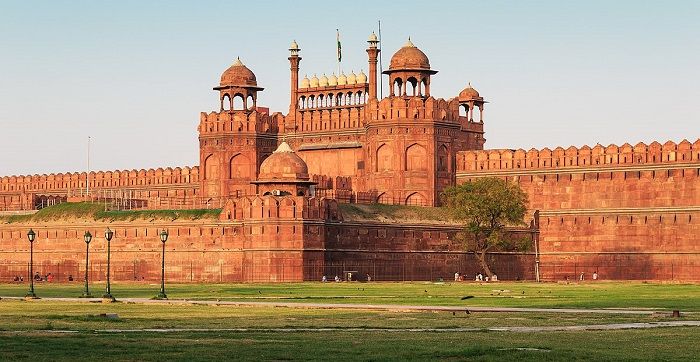
Red Fort (Lal Qila)

Wildlife Sanctuaries Reopening in October: What to See and When to Visit

Kullu, The Nature’s Heaven
The Town You Sleep In
Why the base town shapes a monsoon waterfall trip more than any single fall, what to look for, and towns in Karnataka, Kerala and Goa worth considering.
One village ghat upriver
Train versus road that week
Markets before the 20th, not on it
Journeys Worth Discovering
Explore inspiring destinations, memorable journeys and travel stories from across India and beyond.
Explore destinations




