
If you want to understand Andhra Pradesh in a single journey, travel from the sea to the hills. Start on the beaches of Visakhapatnam, on the Bay of Bengal, and climb into the Eastern Ghats to the Araku valley, a little over a hundred kilometres inland. In a few hours you move from a busy port city to coffee gardens, tribal villages and cool, misty hilltops. Along the way you pass ancient Buddhist sites, a great hilltop temple, limestone caves and one of the most scenic railway lines in India. It is a short route, but it holds a surprising amount of the state’s character.
Give it three or four days. You can rush it in two, but you will miss the best of it.
Visakhapatnam: the city by the sea
Begin in Visakhapatnam, often called Vizag. The city curves along a wide bay, framed by green hills, and has a pleasant, unhurried feel for a large port. Walk along Ramakrishna Beach in the early morning, when fishermen pull in their boats and joggers fill the promenade. Visit the submarine museum, where a decommissioned Indian Navy submarine has been turned into an exhibit, and learn about the city’s long naval connection. Ride up to Kailasagiri, a hilltop park with sweeping views of the coastline, and if you have time, drive along the beach road towards Rushikonda and Bheemunipatnam, an old Dutch settlement with a quiet cemetery and a lighthouse.
Before you leave the coast, visit one of the Buddhist sites on the hills near the city. Thotlakonda and Bavikonda overlook the sea and contain the remains of monasteries, stupas and water cisterns from over two thousand years ago, when monks and traders passed along this coast. They are often quiet, and the views are lovely, especially in the late afternoon.
Simhachalam: the hill temple
On the way out of the city, stop at Simhachalam, a hilltop temple dedicated to Varaha Lakshmi Narasimha. Its stone architecture, with carvings that show influences from the temple traditions of Odisha, makes it one of the most important shrines in the region. The deity is covered in sandalwood paste for most of the year, and is revealed only once a year at the Chandanotsavam festival. Dress modestly, follow the temple’s rules, and check current darshan arrangements before visiting.
Into the Eastern Ghats
From Visakhapatnam, you can reach Araku by road or by rail. If you can, take the train on at least one leg. The line towards Kirandul climbs through the Eastern Ghats, passing through dozens of tunnels and over bridges, with views of deep valleys, waterfalls in season and forested hills. Some services have glass-roofed observation coaches. Book well in advance and check the current schedule, as timings and services can change.
By road, the drive climbs steadily through the ghats, with hairpin bends and viewpoints. The air grows cooler, and the vegetation changes from coastal palms to thicker forest and, eventually, coffee plantations.
Borra Caves
Roughly on the way to Araku lie the Borra Caves, one of the largest known cave systems in India. The limestone caves, formed over a very long time by the action of water, have huge chambers with stalactites and stalagmites. They are lit for visitors, which can be a little theatrical, but the scale is genuinely impressive. Local legends tell of a cow that fell through a hole in the roof, leading villagers to discover the caves. Wear good shoes, as the floor can be damp and uneven.
Ananthagiri and the coffee hills
Before reaching Araku, the road passes through Ananthagiri, a hill area known for coffee gardens and viewpoints. Coffee here is grown by tribal farmers, often in the shade of silver oak trees, and the region has developed a reputation for its high-quality beans. Stop to walk among the plantations, if you can arrange it with a local guide, and try a cup of local coffee.
Araku Valley
Araku itself is a broad valley in the Eastern Ghats, surrounded by hills and dotted with villages of the Adivasi communities who have lived here for generations. The air is cool, especially in the early morning, and the landscape is green and rolling. Visit the tribal museum, which offers a good introduction to the culture, crafts and daily life of the region’s communities. Spend time at a coffee museum or cooperative to learn about the local coffee story.
Try bamboo chicken, a local speciality in which chicken is marinated, packed into a bamboo stem and slow-cooked over a fire. Vegetarians will find simple, filling local meals. If you are lucky, you may see a Dhimsa dance, a traditional tribal dance performed in a circle, usually at festivals or cultural events.
Above all, give yourself time to do very little. Walk the edges of the fields, watch the mist lift from the valleys, and talk to the people you meet. Araku is not a place for long checklists.
Why this route works
The journey from Visakhapatnam to Araku shows Andhra Pradesh in miniature. The coast speaks of trade, fishing and naval history. The Buddhist sites recall an ancient past when this land was connected to the wider Buddhist world. Simhachalam represents the deep temple tradition of the south. The railway and the ghat road show the dramatic geography of the Eastern Ghats, and Araku introduces the tribal cultures and coffee economy that most visitors never encounter. In a few days, you see sea, faith, history, forest and hill.
Practical notes
- When to go: October to March is the most comfortable season. April and May are hot on the coast, though Araku stays cooler. The monsoon makes the hills lush but can disrupt travel.
- Getting there: Visakhapatnam has an airport and is a major railway station. Araku is reachable by road and by train.
- Booking: Train seats, especially in observation coaches, fill quickly. Book early and check current schedules.
- Respect: Many villages in the Araku region are home to Adivasi communities. Ask before photographing people and follow local guidance.
- Current conditions: Please check the latest official guidance before travelling, as rules for travel, temples and tourist sites may change.
A final thought
Most people come to Visakhapatnam for the beach, or to Araku for a weekend in the hills. But travel the whole route, slowly, and you will understand something larger: that Andhra Pradesh is not one landscape but many, and that the journey between them is part of the story.
More from Issue 24
- April 2021: Inside This Issue
- Editor’s Letter: Andhra Pradesh, a Coast and Its Hills
- The Antique Andhra Pradesh
- The Hi-Tech Hyderabad City
- Warangal, The Historic Town
- Visakhapatnam – The ‘Jewel’ of the East Coast of India
- Places to visit near Hyderabad
- Nagarjuna Sagar Dam- Nagarjunakonda
- Puttaparthi, Famous Pilgrim Center
- Tour of Vijayawada – Explore The City Of Victory
- Three Days in Vijayawada and Amaravati, Not a Checklist
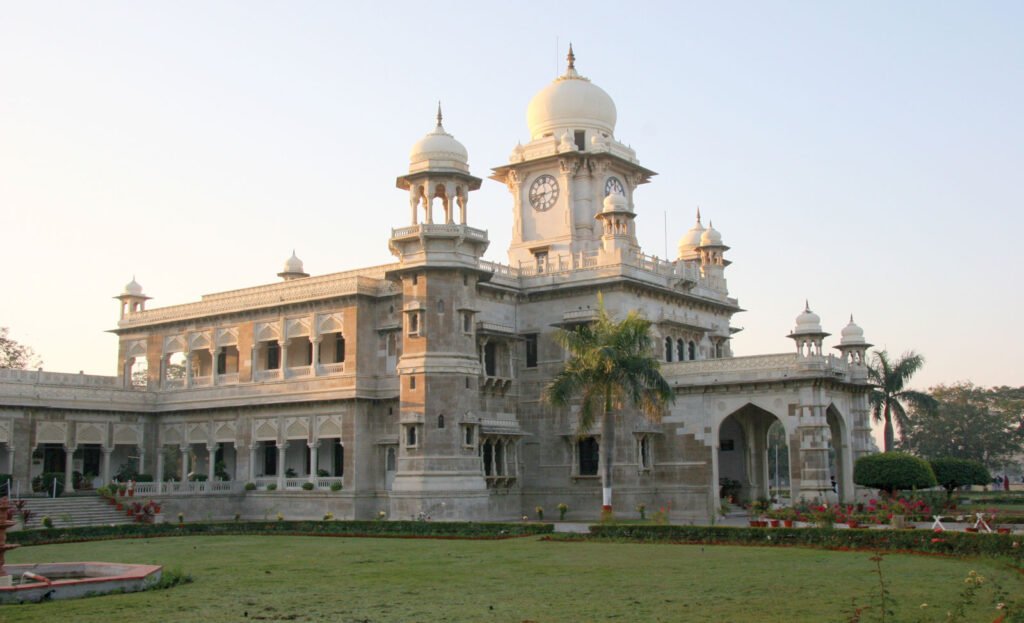
Visit Indore, It Is Beautiful!

And Char Dham Yatra’s last stoppage is Badrinath
Rishikesh to Haridwar Along the Ganga: The One Route That Explains Yoga in India
The Town You Sleep In
Why the base town shapes a monsoon waterfall trip more than any single fall, what to look for, and towns in Karnataka, Kerala and Goa worth considering.
One village ghat upriver
Train versus road that week
Markets before the 20th, not on it
Journeys Worth Discovering
Explore inspiring destinations, memorable journeys and travel stories from across India and beyond.
Explore destinations




