Dear reader,
Most people meet Goa for the first time through a photograph: a strip of pale sand, a row of coconut palms leaning towards the sea, a plastic chair outside a beach shack and a glass sweating in the afternoon heat. That picture is true, and there is nothing wrong with wanting it. But when we sat down to plan this March issue, we kept asking ourselves a simple question. What does Goa look like to someone who stays long enough to notice it? The pages that follow are our attempt at an answer.
Why Goa, and why March
March is a hinge month on the Konkan coast. The busiest weeks of the winter season are usually behind it, the Christmas and New Year crowds have gone home, and the full heat and humidity that come before the monsoon have not quite arrived. The sea is generally calm, the evenings are still pleasant, and many of the guesthouses, shacks and small restaurants that open for the season are still running. It is also a month when Goa’s own calendar is busy. Depending on the year, Carnival and Shigmo, the spring festival of the Hindu communities, can fall in February or March, filling village squares and town streets with floats, drums and colour. Our story on the Goa Carnival goes into that tradition in more detail.
We would never tell you that one month is the only right time to travel. But if you want warm water, easy roads and a state that still has the energy of the season without its peak crowds, March is a sensible bet. As always, check festival dates for the year you travel, because they move with the calendar.
What is in this issue
We begin with a broad introduction, Let’s Explore Goa!, for anyone who has never been and wants the lie of the land: the difference between the north and the south, the rivers that cut the state into pieces, and the way the old Portuguese influence and much older Konkani traditions sit side by side.
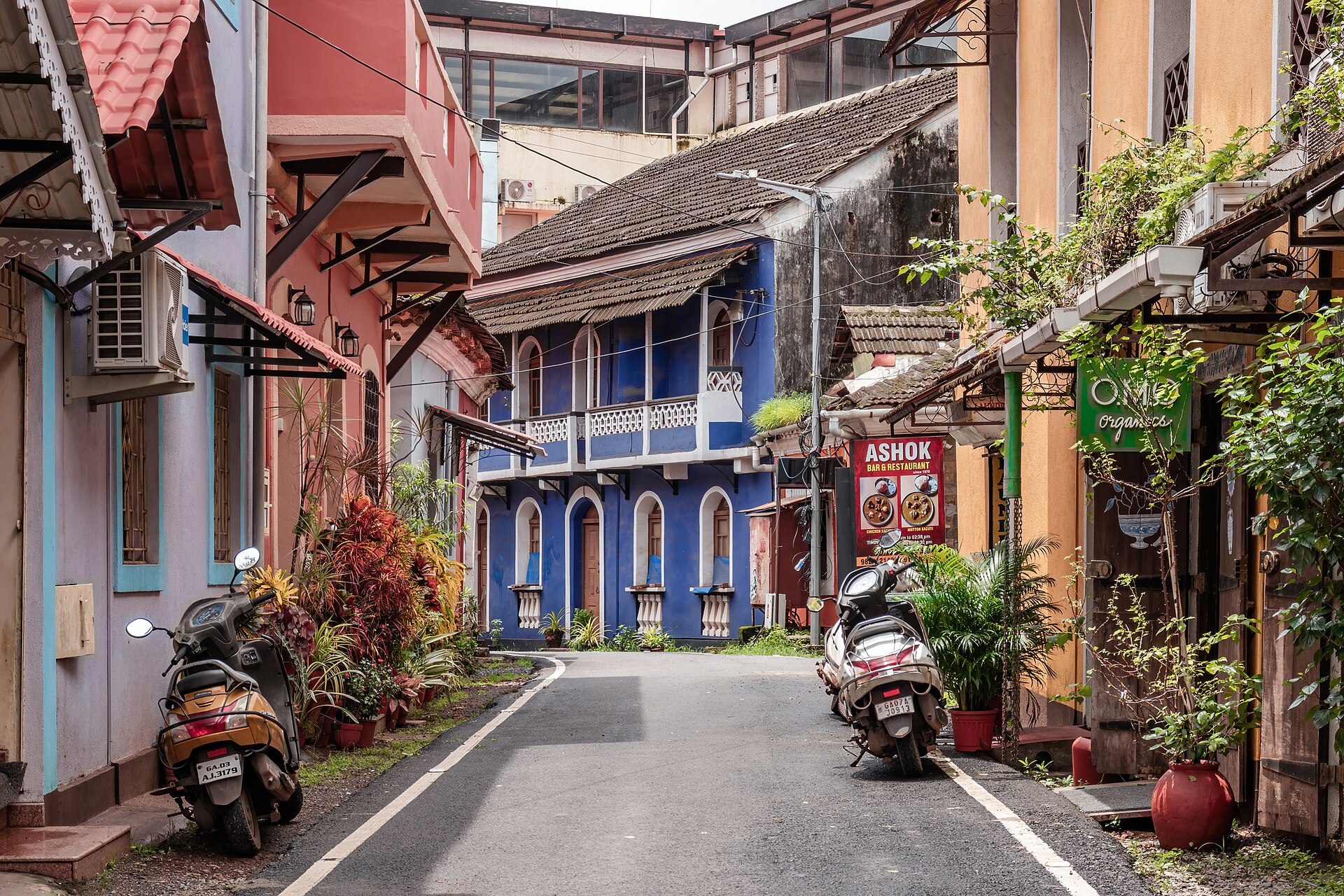
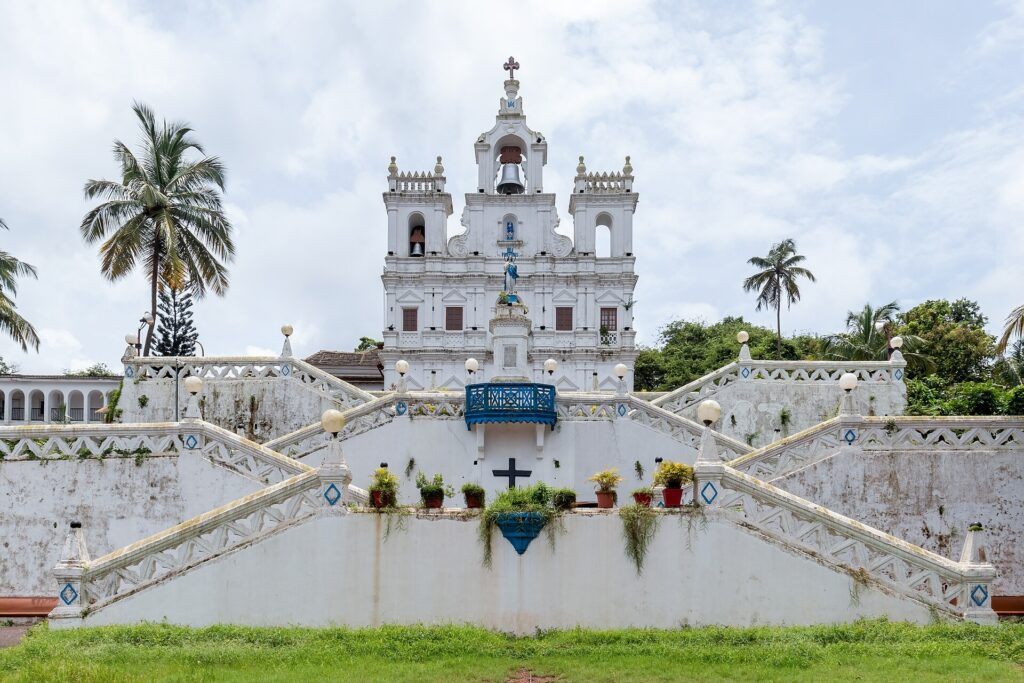
From there we go to the capital. Panaji, often called Panjim, is one of the most walkable small capitals in India, with its Latin quarter of Fontainhas, its painted houses and balconies, its whitewashed church climbing a hill of steps, and its riverfront along the Mandovi. If you have only ever driven through Panaji on the way to a beach, we hope our piece persuades you to give it a full day.
Then come the beaches, and we have split them, as most Goans do, into north and south. North Goa Beaches covers the livelier stretch, where the cafés, markets and music are. South Goa Beaches looks at the quieter, wider sands where the days are slower. Neither is better. They are simply different moods, and many travellers find they want a little of both.
We have also gone inland and to the other towns. Visit Ponda takes you to the temple country in the centre of the state, where Hindu temples with their distinctive lamp towers stand among spice plantations. Explore Margao introduces the commercial heart of the south, with its markets and old houses. Vasco da Gama looks at the port town that many visitors only see from a train or the airport road. River Cruises is about the Mandovi and the backwaters, a reminder that Goa is as much a river state as a beach state.
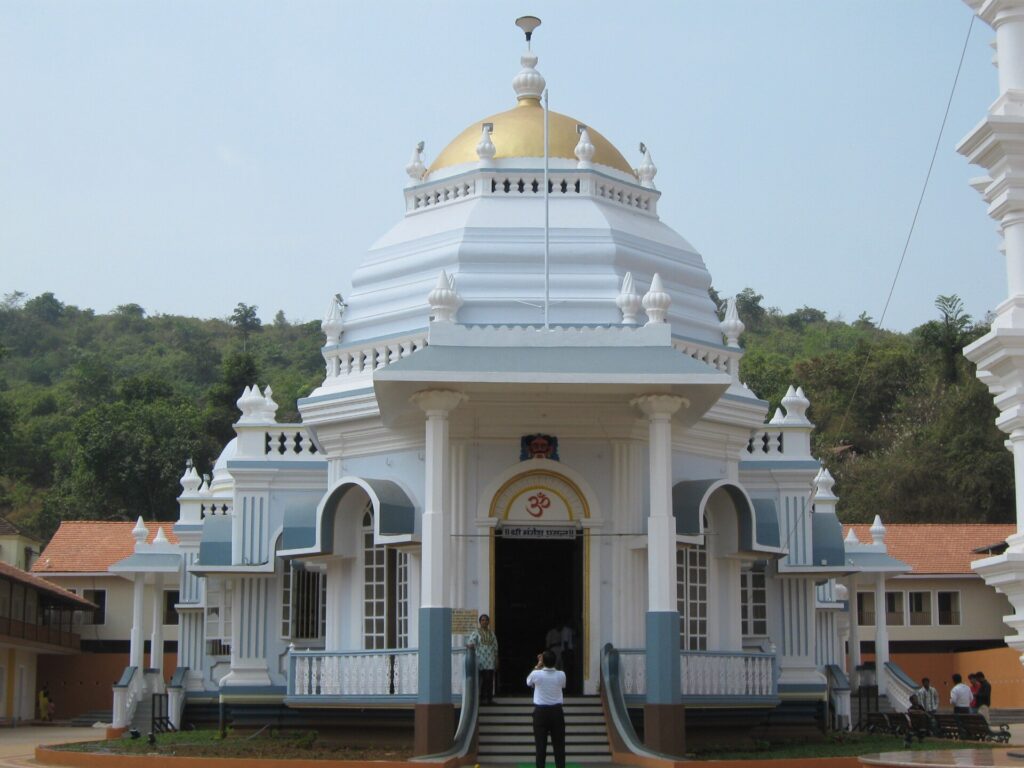
Finally, our new feature, Panaji to Palolem: The Coastal Road That Explains Goa, strings much of this together into one journey from the capital to the far south. It is less a strict itinerary than a way of seeing how Goa changes over a single drive: from a riverside city to old churches, from busy coast to fishing villages, from market towns to quiet coves.
A word on travelling well
Goa has given a great deal of joy to a great many visitors, and it carries the weight of that popularity. Some beaches are crowded in season, traffic can be heavy on the main roads, and waste is a real problem in places. We do not say this to put anyone off. We say it because how we travel matters.
A few habits make a difference. Carry a refillable water bottle and say no to single-use plastic where you can. Rent a scooter only if you are licensed and confident, and always wear a helmet; Goa’s roads are narrow and busy, and the night roads after a party are the most dangerous of all. Swim only where lifeguards are on duty and pay attention to the flags, because currents on some beaches are stronger than they look. Respect the churches, temples and chapels you visit, dress modestly inside them, and ask before you photograph people. And spend your money locally where you can: in family-run guesthouses, at the fish market, in small restaurants that have fed their villages for generations.
The Goa we hope you find
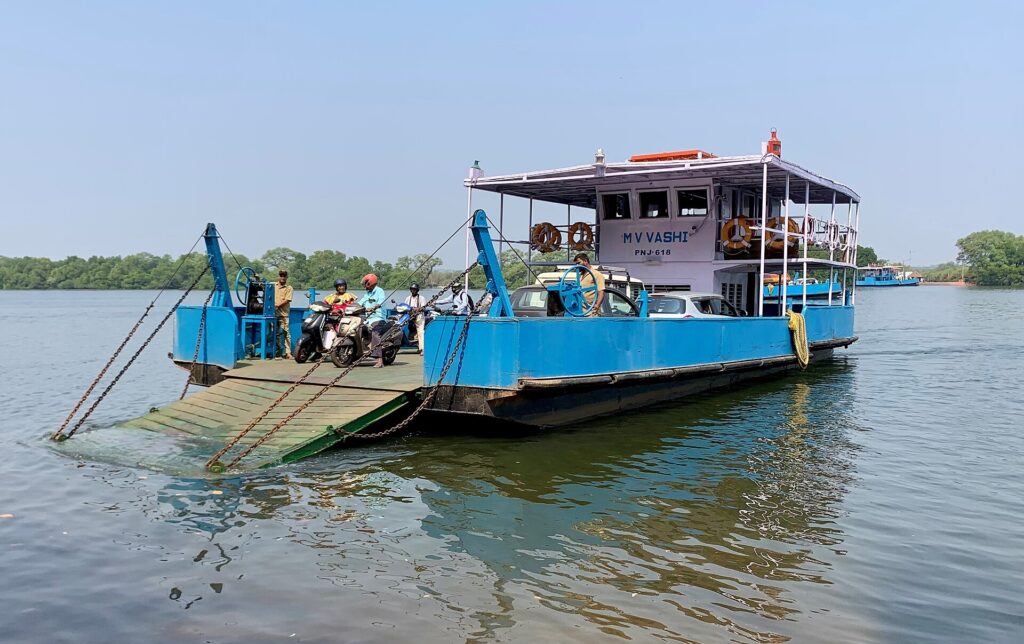
There is a Goa that never makes the postcards. It is a grandmother sweeping the courtyard of an old house in the early morning. It is the smell of fresh bread from a local bakery, where the poder still does his rounds on a bicycle in many villages, honking a horn so people know the bread has arrived. It is a quiet chapel in the middle of paddy fields, a ferry crossing where cars, motorbikes and schoolchildren share the same deck, and a plate of fish curry and rice eaten slowly in the heat of the afternoon.
We hope this issue helps you find a little of that Goa, alongside the beaches you came for. If you travel with it, tell us what you discovered. Some of our best stories have begun with a letter from a reader who wandered off the main road and found something worth sharing.
Thank you, as always, for reading Travel Viewpoint. Pack light, slow down, and let Goa surprise you.
With warm wishes,
Khushi Anand, Editor