

Member Type Contributor


Delicious Cuisines Of West Bengal That You Must Try!
October 1, 2019 in West Bengal
West Bengal is famous for an array of things, and one of the most important of them is food. The mouth-watering Rosogullas, Chomchom, and Rasamalai, the super tasty Sorshe Ilish and Chingri Macher Malai Curry and but a few of the mouthwatering and tempting food of the highly illustrated and exquisite Bengali cuisine.
1. Aloo Potol Posto
 Make a mental note, Bengalis love poppy seeds. They really do and why won’t they, it makes food so much tastier! This preparation above is also made of poppy or Posto as the Bengalis like to call it. It is a preparation of Posto with potatoes and pointed gourd, complete with red and green chilies and sometimes coconut puree to add some much-needed spice to it. It truly is one of the classic Bengali dishes and famous food of West Bengal.
2. Ilish Macher Jhol
 One of the much-favored fishes in the region, Hilsa or ilish fish curry is something that you have got to try your hands on. The pungent smelling curry prepared with Nigella seeds and chili to give it the required balance that makes it so perfect. You have got to try this one as it one of the staple food of West Bengal.
3. Shukto
 Who said Bengalis are all for fish and nothing else? Well, Bengalis do know how to do their vegetables too. And Shukto is just an example. Usually served as the first course of a diet, Shukto is a combination of different vegetables like Brinjals, Bitter Gourd, Crunchy Drumsticks and Bori (a Bengali specialty again). Mixed with grounded spices and milk to make a thick curry, this is a perfect way to start a meal.
4. Sandesh
 The most popular sweet from the Bengali state, this dish is made of khoya, a version of condensed milk and is heavenly in taste. This sweet is neither overly sweet thus allowing people with a non-sweet tooth to enjoy too. One should definitely try this delectable West Bengal food item.
5. Mutton Biryani
 Although made famous in various parts of the country, each marked with unique cooking techniques and spices; one should also try this taste in this part of the country. Filled with the rich aroma of spices and ghee, the mutton biryani is simply heaven. Juicy, tender pieces of mutton, fried with the biryani on a Tava, this yummy recipe is a must-try.
6. Aam Pora Shorbot
 A drink made of chilled water, burnt raw mangoes and sugar, it is an instant relief that you will get on a sweltering summer afternoon (and with the Kolkata heat you might as well require it). The raw mangoes are burnt, but only partially, with the skin a bit charred which lends a smoky taste to the drink. Best served chilled; this drink is surely the one which is more relaxing and refreshing than the colas with artificial sweetness.
7. Tangra Macher Jhol
 As you are familiar with the fact that Bengal has a rich source of fresh water as well as saltwater fishes, you might also know the fact that Bengal tries a lot of different varieties of fishes. The Tangra fish is basically the catfish that is found in the freshwater bodies abound in the region. The fish is prepared with freshly ground spices, and the thin curry is light on the stomach and also supremely tasty too. It is a big hit among the Bengalis in the region.
8. Alur Dom
 Although there are different ways to prepare this dish made of potatoes, it continues to be a hit in the regular Bengali household. If there is nothing else in the house, potatoes always come to the rescue. The dish can be incorporated with many different spices and prepared in many different ways. It is most commonly eaten with Lucchi, another Bengali delicacy.
9. Lucchi
 A deep-fry delicacy, no Bengali household can ever complete a celebration without Luchis. Prepared with maida instead of the atta flour which is used to make chapattis, this delicacy looks like smaller sized, fluffy, deep-fried chapattis, with a golden glow. The crispy Luchis are a mandate for all the important small celebrations that take place in the Bengali household.
10. Chholar Dal
 One of the Bengali’s favorite dals, this dish is made with chana dal as the main ingredient. With its slightly sweet and spicy taste, the dal is perfect to eat with rice or Luchis. Addition of delicious spices like bay leaves, coconut bits, and cinnamon increases the taste manifold. Although one may get a lot of gourmet dishes, the real Bengali taste is in the simple dishes prepared in the common Bengali household.
11. Lau Ghonto
 Lau is bottle gourd, which is cooked with Udad Dal Boris and some light spices. Although the dish is not so spicy, it is good for the stomach and delicious too, so that is a bonus. Try this recipe if you want to rest your stomach after a hard day at work. Enjoy this Bengali food with rice.
12. Mochar Ghonto
 Mochar Ghonto is a delicious preparation of banana flower, crushed coconut and potato, cooked with some cumin and bay leaves. This mouth-watering dish is filled with the sweetness and spice that makes it an amazing try. An authentic Vegetarian west Bengal dish, this is proof that there is more to Bengalis than fish and meat.
13. Kosha Mangsho
 This dish of mutton with some thick curry is high on spices and richness. This dish is made with mutton and spices such as cloves, cinnamon, onion, and garlic are used. This excellent recipe is full of the aroma and sweetness that is surely going to trigger your taste buds.
14. Mishti Doi
 Mishti Doi is a sweetened yogurt dish that is served at the end of supper and serves as a sweet dish. Though served all around the country now, it was initially made famous by Bengal. Try it if you have a sweet tooth.
15. Patishapta
 Another unique Bengali sweet, this is usually homemade with a batter of powdered rice and rolled with the preparation of coconut bits with sugar and khoya. One of the most amazing Bengali dishes, one has got to try this one, sweet tooth or not. I am sure you are going to love it.

Bishnupur
October 1, 2019 in West Bengal
Bishnupur, the glorious capital city of the Malla dynasty was an important center of Bengali culture and learning. Arts, architecture, sculpture, and music flourished here under the patronage of Malla kings. The exquisite temples here testify the great craftsmanship of the terracotta artisans. These ornately carved shrines are built in a square plan with a gently curved roof like Bengali thatched huts made of bamboo and mud. The temples are usually made in brick and sometimes of laterite. Bishnupur is also known for its handicrafts like the famous terracotta and wooden ‘Bankura horse’, Dokra, silk, tassar, conch-shell, and bell metalware, etc. Bishnupur Mela (Dec.) and Snake festival (mid-Aug.) are the main events celebrated here.
 Shyam Ray Temple
It was built in 1643 and is the oldest among the Pancharatna temples. The temple has a fine Shikhara on a curved Bengali Chala roof and the terracotta walls depict scenes from the life of Lord Krishna.
Jorebangla Temple of Keshta Raí
It was built in 1655, by King Raghunath Singha Dev II and is a fine example of unique Bengali architecture.
Raas Mancha
This 16th-century shrine is built in the form of a stepped pyramid.
Madan Mohan Temple
It was built in 1694 and is one of the finest and largest temples of Bishnupur. The shrine is noted for its terracotta panels. Other important temples are, Malleswara, Radhey Shyam, Mrinmoyee, Sarbamangla, etc. Malla King’s Fort, Lakes, and Jogesh Chandra Archaeological Centre are some other worth visiting sites
Around Bishnupur:-
 Bankura
It is a good base to visit Bishnupur and is also known for Raghunathji Mandir, Ekteshwar Mandir, the Methodist Missionary Church, and Christian College.
Bansberia (40 kms.)
It was one of the main villages of ancient Saptagram and is famous for the Ananta Vasudev temple, built-in 1679, in the traditional ekaratna style. The temple enshrines an idol of Vasudev or Vishnu in the central chamber and Shivalingas in the surrounding ones. Other attraction is the unique Hanseswari Temple with 13 lotus bud shaped minars.
Joyrambati (43 kms.)
Pilgrim site associated with Sri Ramakrishna, the 19th century age. The Matri Mandir dedicated to Srima Saradamoni was opened here on 19th April 1923.

Darjeeling “The Queen Of Himalayas”
October 1, 2019 in Hill Station, West Bengal
Delightful Darjeeling, the “Queen of Himalayas” perched at an altitude of 2,134 meters is said to be named after a Tibetan word, ‘Dorje Ling’ or ‘Place of the Thunderbolt’. It is endowed with exceptional scenic beauty and offers a magnificent view of the grandeur and beauty of the mighty Himalayas. The beautiful town is indeed a paradise for holiday and adventure seekers as well as botanies, photographers and artists. The lovely lush woods around Darjeeling are full of conifers like pine, fir, and birch and they are known for exotic orchids and are home to rich animal and birdlife. Well, the name Darjeeling is also synonymous with the most beautiful tea in the world.
 Darjeeling Tea is something that nobody wants to miss. Darjeeling produces the world’s best premium teas and is popularly referred to as the “Champagne of the East”. There are about 86 tea gardens, which produce around 25% of India’s total output of tea. The Happy Valley Tea Estate, just 3 km from the town is said to produce the world’s most expensive and exotically flavored tea. One can witness the famous ‘Orthodox Tea Manufacture’ method of tea processing here.
The famous Toy train of Darjeeling is listed among World Heritage sites of UNESCO and is a living reminder of the 19th century Darjeeling. It runs between Shiliguri and Darjeeling, covering a distance of somewhat 83 km on a 610 mm gauge. The mini train is a marvel of rail engineering and weaves a magical spell as it passes through the beautiful landscape teeming with tea gardens, serpentine streams, and excellent viewpoints. The Ghoom railway station on this track is located at the highest altitude in the country. One should at least take a joy ride on this magnificent train from Darjeeling to Ghoom.
 The adventurous can arrange a trek to Singalila Ridge or ride a mountain bike around the hills. Meanwhile, the steep and winding bazaars at the foot of the town bustle with an array of Himalayan products and faces from across Sikkim, Bhutan, Nepal, and Tibet. And when energies start to flag, a good, steaming Darjeeling brew is never far away.
Festivals form an integral part of the people’s lives in Darjeeling. With the beginning of New Year in the month of January this district experiences festivity in each month due to the cultural blend of various religions, tribes, and immigrants from neighboring states.
Batasia Loop (5 kms.)
It lies just below Ghoom and is an engineering marvel where the railway line negotiates a graceful circle and descends 1000 ft. The site affords a spectacular view of Darjiling, with the majestic Kanchenjungha in the background. There is also a War Memorial.
Bhutia Basti Monastery
This small monastery with beautifully painted facade belongs to the Bhutias, a people of Tibetan origin.
Chowrasta or Crossroad
It is the ‘heart of Victorian Darjiling’ and a hub of commercial activity. The famous Mall Road originates and culminates here and is studded with hotels, restaurants, shops, and stalls. The attractive promenade affords a fine view of the Himalayas. One can also enjoy a leisurely ride on a horse-back.
Natural History Museum
A rich collection of local fauna is exhibited here.
Dhirdham Temple
It resembles the famous Pashupatinath Temple in Kathmandu.
Observatory Hill
The hill held sacred by Hindus and Buddhists affords a panoramic view of Kanchenjunga. There is a 19th-century Mahakaal Temple dedicated to Lord Shiva and a Buddhist Monastery. It had an observatory, which no longer exists.
Lloyd Botanical Garden
This well laid out terraced garden has a fine collection of plant specimens from the sub-temperate and temperate Himalayas. There is also a representative collection of plants from all over the world. The Orchidarium here has over 2.500 plants. An annual flower show is held here during the summer months.
Tenzing Norgay Mountaineering Institute
It lies on Jawahar Parbat and is the first mountaineering training center of the country. The HMI museum depicts the history of mountaineering, while the Everest Museum displays memorabilia of 1953. Everest expedition of Tenzing and Hillary. Another attraction is the huge ‘Hitler’s Telescope’ which provides a fine view of Kanchenjunga.
Padmaja Naidu Himalayan Zoological Garden
It is located near the Tenzing Norgay Mountaineering Institute and is home to some rare Himalayan fauna like snow leopard, yak, Siberian tiger, Himalayan black bear, red panda, Tibetan wolf, Himalayan pheasant, etc.
The Shrubbery
This charming garden at Jawahar Parbat, behind Raj Bhawan, provides a breath-taking view of Kanchenjunga range and Single Valley.
Darjiling Ropeway
There are two ropeway systems at Darjiling. The first one is 1,408-m. long, connecting Darjiling with Bijanbari at the little Rangeet Valley. While the second one is a bi-cable passenger ropeway that connects Darjiling’s North Point and Singla, covering an aerial distance of 8 kms. It is the first bi-cable passenger-carrying ropeway in India and the longest of its kind in Asia.
Japanese Peace Pagoda
It was inaugurated in 1993 and affords an excellent view of the town and majestic mountains. On the way is Lalkothi, the DGHC Council House, which can be viewed from outside.
Around Darjeeling:-

Ghoom (8 kms.)
It is well known for the railway station at the highest altitude in the country. The Tibetan Buddhist Monastery here enshrines a 4.8-m. statue of the Maitreya Buddha and is famous for the Tibetan New Year celebrations (Feb.-Mar.). The 30.5-m. high Ghoom Rock offers a fine view and is a popular tourist site.
Kalingpang (52 kms.)
This charming hill resort has some of the best flower and orchid producing nurseries in the country. There are also three Buddhist monasteries, Mangal Dhaam, a recently St. constructed temple in the memory of late Guru Shree 108 Mangal Dasji and Theresa’s Church. Kalimpong is also a shopper’s paradise, Tibetan craft items can be picked up as souvenirs.
Kurseong (32 kms.)
The picturesque town located between Darjiling and Siliguri is referred to as the ‘Land of the White Orchid’. It is dotted with several churches and good schools. There is also a Forest Museum, Deer Park, mini amusement park and a lovely water reservoir. The Eagle’s Crag, commands a panoramic view of the undulating plains below.
Mirik (49 kms.)
The beautiful hill resort surrounded by tea estates, orange orchards, cardamom the plantations and lush woods full of oak, maple and chestnut trees is famous for n Sumendu lake. Boating and angling facilities are available here.
Senchal (10 kms.)
The three artificial lakes on a 2,487 m. high hill supply water to Darjiling and popular picnic spot. The golf course here is one of the highest in the world. 1herc the Senchal sanctuary, the home to barking deer, wild boar, and black bear, etc.
Shiliguri87 kms.)
Scenic Shiliguri set amidst tea gardens and sal forests are the main transit point for Darjiling, Kalimpong and the exotic north-eastern states. It is indeed a center of commercial and communication networks of north-eastern India. The famous Jaldapadra Sanctuary is located 121 kms. from here.
Tiger Hill (13 kms.)
The 2.585 m. high hill affords the best view of Kanchenjunga, especially at sunrise. One can enjoy an awe-inspiring view of the Himalayas from a viewing tower here.
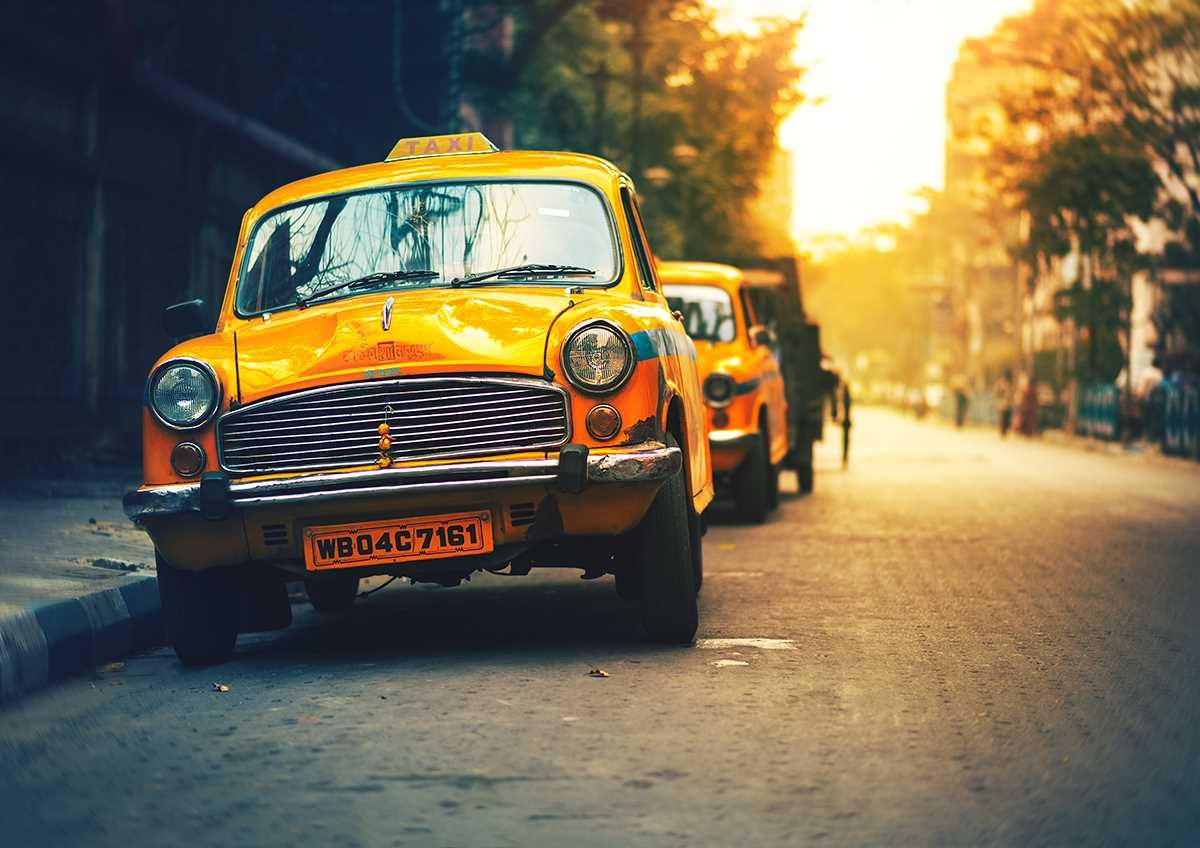
Kolkata “The Paris Of The East”
October 1, 2019 in Destinations, City Guide, West Bengal

Kolkata, the “Paris of the East” is a medley of moods, styles, cultures, politics, industry, and commerce. The East India Company first set up a trading post at Sutanati and built the Old Fort William in 1696. The city went on to become the showpiece capital of the British Raj and the greatest colonial city of the Orient. It became a leading center of commerce and port of call for eastbound vessels. Kolkata remained the capital of British India till 1912, but it continued to be a major industrial and cultural center. The city is a kaleidoscope of various contrasts, which are unseen anywhere else in the world. It is a unique blend of ancient and anon, occidental and oriental styles, skyscrapers and Victorian edifices and heaven of rich as well as poor. The city’s rich cultural, literary and religious flavors are reflected in its fine arts, writing, music, dance, and theatre. Kolkata, the city of love, hope and joy are ever fascinating, effervescent and teeming with life and traditions.
Victoria Memorial

This white marble marvel is Kolkata’s most distinguished landmark. In 1905, Lord Curzon conceived the idea of its construction and the foundation stone was laid by Prince of Wales (King George V) on 4th Jan 1906. It was inaugurated by the Duke of Windsor on 21st Dec. 1921 and is now the most prolific reminder of the British rule in India. The majestic 61-meters high white edifice with its formal gardens and watercourses sprawls across an area of 26 hectares and is located at the southern end of “The Maidan’. It was designed by Sir William Emerson blending British and Mughal architecture styles. A 4.9-meters black bronze statue of an angel known as Victory, holding a bugle in her hand was placed at the apex of the dome above the memorial. The 4.5-tonnes statue is fixed to its pedestal with ball bearings and rotates when the wind is strong enough. The memorial houses rare memorabilia from the colonial days and over 3,500 exhibits are displayed in its galleries. The evening Sound and Light show are worth seeing.
The Maidan

This huge expanse of the green area known as the “lungs of the city” and is rated as the finest gift of the British to India.
BBD Bagh (Dalhousie Square)

When Kolkata was the capital of the British Raj. Dalhousie Square held a coveted position and was the center of power. It still Kolkata’s commercial hub and was renamed as BBD or Benoy-Badal-Dinesn Bagh after the three martyrs of Bengal. The momentous square has a large Lal Dig tank in the center, surrounded by several historical buildings.
Writers Building

This 14 storeyed building to the north of BBD Bagh was built in 1880, for the clerks or “writers” of British East India Company, who worked and lived here. Today, it houses the secretariat of the West Bengal Government.
Fort William

This irregular octagon-shaped fort on the banks of river Hugli was built in 1781, after the destruction of the old fort in 1756. There is a museum displaying arms and armors, photographs of the Burma campaign and the Bangladesh Liberation War. It also has a section on the people and handicrafts of north-east India.
Shahid Minar (Ochterlony Monument)

The 52 meters tall tower, dominating the Chowringhee skyline was built in 1828, to commemorate British East India Company’s victory in the Nepal Campaign of 1814 – 1816. In 1968, the minaret was named Shahid Minar in memory of the Indian freedom fighters.
Birla Planetarium

It was established on 29th Sept. 1962 and is one of the largest in the world. Stars and constellations are projected on the domed ceiling of the planetarium.
Academy of Fine Arts

This eminent center for arts was set up in 1933, at the initiative of Lady Ranu Mukherjee. Rabindra Sadan, a theatre cum concert hall and Nandan, a film center are located nearby. The Bangla Akademi and the Kolkata Information Centre are also located here.
Jorashanko Thakurbari
 This home of Tagores since the 18th century was a major center for Bengali arts and culture during the 19th century. It has now been converted into the Rabindra Bharati University. A 45-minute light-and-sound program, based on the life and times of the Tagore family is held here in the evenings.
Asiatic Society
 It is located at Park Street and was established in 1784, for promoting the study of Indology, literature and scientific research. The society started a public museum in 1814 and is the first modern museum in Asia. It houses a rich collection of art and antiquities. There is also a huge library.
Indian Museum
 This extensive museum popularly known as Jadu Ghar (Magic House) at J. Nehru Road is the oldest institution of its kind not only in India but also in the entire Asia-Pacific region. It was first established at the Asiatic Society on 2nd Feb. 1814. In 1878, it was transferred to this huge classical-style building. The museum has over 60 galleries dealing in six departments – Art, Archaeology, Anthropology, Geology, Zoology, and Botany.
Marble Palace
 This Gothic-style mansion was built in 1835, byRaja Rajendra Mullick, a wealthy Bengali merchant. It has ornate objects d’art and paintings, studiously collected from auctions and dispossessed households across the globe.
National Library
 It is housed in an elegant building which was originally the summer house of Prince Azim-us-Shan, the Viceroy of Bengal and Bihar. Lord Curzon officially inaugurated the Imperial Library on 30th January 1903, at the Metcalfe Hall and was renamed as National Library in 1948. The library has over 2 million books and 2 million documents.
Howrah Bridge or Rabindra Setu
 It is the major landmark and the gateway to the city of Kolkata. The 97m. high and 705m. long bridge built over river Hugli is the world’s busiest bridge.
Vidyasagar Setu
 It lies to the south of Howrah Bridge on the river Hugli. The construction work took 22 years and cost Rs. 3.88 billion. The 457 m. long and 115 m. the wide bridge is supported by 121 wire cables, and stands on four pylons, on a foundation that is 100 m. deep.
Science City
 It is located at the intersection of the Eastern Metropolitan Bypass and the Park Circus Connector and is the only venture of its kind in entire Asia. Some of the popular sections are space theatre, space flight simulator, recreated Jurassic forest aviary, etc.
Sacred Sites:-

Kalighat Kali Temple:
It is one of the most important shrines of goddess Kali and a major site of Shakti worship in the country. The temple was originally built in 1809, at Kalighat on the banks of the river Hugli and enshrines an awe-inspiring black stone idol of goddess Kali decorated with gold and silver.
Belur Math:
It is the international headquarters of the Ramkrishna Mission. Swami Vivekananda established the shrine in 1899, by placing the ashes of Sri Ramkrishna at this spot. The unique architecture of the shrine reflects the message of religious fraternity, as it represents a church, a temple, and a mosque when viewed from different angles. The Sri Ramkrishna Museum was set up with the assistance of the National Council of Science Museum. It houses articles associated with Sri Ramkrishna, Ma Sarada and Swami Vivekananda.
Dakshineswar Kali Temple:
The famous temple built in 1847, by Rani Rashmoni on the other side of Hugli river is associated with Sri Ramkrishna, who attained enlightenment over here. The main shrine known as the Navaratna Temple enshrines a silver lotus with thousand petals, on which is placed the idol of Goddess Kali, standing on the prostrate body of Lord Shiva. The complex also has twelve temples dedicated to Lord Shiva.
Sitambara Jain Temple:
This magnificent temple is dedicated to Sheetalnathji, the 10th Jain tirthankar. It was built in 1867 and is a collection of four pagodas like shrines set in geometrical gardens and ponds.
Birla Temple:
The beautiful temple near Gariahat market was built in 26 years at a cost of about 180 million rupees and inaugurated in 1996. Its excellent architecture blends traditional artistry with modern technology.
Armenian Church:
It was built in 1724, by Cavond, an Armenian and is one of the oldest churches in Kolkata.
St. Paul’s Cathedral:
The city was built between 1839 and 1847 in Indo-Gothic style. Other important churches are, St. Andrew’s Church, St. John’s Church, etc.
Nakhoda Mosque:
It is located to the north of BBD Bagh and is the largest mosque in Kolkata. The present structure was built by Abdur Rahim Osman in 1942.
Sagardwip:
The sacred site 78 kms. from Diamond Harbour and 128 kms. from Kolkata lies at the confluence of Ganga river and Bay of Bengal and is considered to be one of the holiest sites of Hindu pilgrimage. The three days annual Ganga Sagar Mela, held here in mid-January, on Makar Sankranti, attracts millions of devotees who take a holy dip at the confluence. It is believed that Kapil Muni, a legendary sage who reduced King Sagar’s 60,000 sons to ashes had his ashram over here about 5,000 years ago. In 1947, a temple of Ganga Devi was built to mark its existence. The shrine is visited by numerous devotees. Scenic Sagardwip is also an excellent site to view sunset and sunrise.
Gardens, Parks & Theme Parks:-
 Botanical Gardens:
The famous garden at Shibpur, 10 kms. south of Haora station was established in 1786, by Colonel Kyd and is the oldest botanical garden in the country. It sprawls across an area of 273 acres and has over 35,000 varieties of fruits and flowers, besides 15,000 other plant specimens. But, the star attraction is the 240 years old Banyan tree, which reaches up to a height of 24.5 meters and is spread over a circumference of 420 meters, making it the world’s largest banyan tree.
Eden Gardens:
It sprawls over an area of 50 acres and was named after Emily and Fanny Eden, sisters of Lord Auckland. The beautiful garden to the north-west corner of the Maidan has a tiny Burmese pagoda set amidst a small lake. It has several species of local trees. The famous Eden Gardens Stadium also lies within the garden.
Horticultural Gardens:
The garden amid Alipore was established in 1820, by William Carey. An annual flower show is held here in February.
Zoological Gardens:
This extremely popular Zoo is about 3 kms. south of Park Street in Alipore. It was founded in 1876 and has a large collection of birds and animals.
Rabindra Sarobar:
This pleasant picnic spot is located south of Chowringhee. It also has an artificial lake where water sports are held.
NICCO Park:
It is located at Salt Lake and provides mind-boggling fun and entertainment to children as well as adults.
Around Kolkata:-

Bakkhali (130 kms.):
It is the second most important beach of West Bengal after Digha.
Barakpur (24 kms.):
It was once the cantonment of the British and is named after the “barracks’, where troops have been stationed since 1772. The town is associated with the Sepoy Mutiny of 1857 Mangal Pandey, the famous martyr was hanged at Barrackpur’s Latbagan. A memorial to him was erected at Dhubighat. Other attractions are Mangal Pandey Park, Gandhi Ghat and Rani Rashmoni’s Kali Mandir.
Barddhaman (95 kms.):
The historic site on the banks of river Damodar is named after Mahavir Barddhaman, the 24th Jain tirthankar. The main attractions are – 108 Shiva shrines built-in 1789 by Rani Bishnukumari; Vijay Toran or Curzon Gate; Rose Garden; Meghnad Saha Planetarium and the Science Centre of the University.
Bandel (48 kms.):
It lies on the banks of river Hugli and was the first European settlement in Bengal. The Portuguese Church and the Monastery were built here in 1599 and destroyed by Shah Jahan in 1640. The church was rebuilt in 1660 and is the oldest in the State.
Chandannagar (39 kms.):
This former French colony on the banks of the river Hugli is dotted with churches, convents and other relics of colonial past. A picturesque promenade here is ideal for strolls. The town is also known for the Jagaddhatri Puja.
Chunchura (45 kms.):
It was under Dutch occupation between 1656 and 1825 and the Fort Gustavus was built in 1628 by them. Bankim Chandra Chattopadhyay, composed ‘Bandemataram” national song of India at the Bandemataram House on Joraghat.
Diamond Harbour (48 kms.):
This popular picnic spot near the confluence of Hugli River and Bay of Bengal has accessible by road and rail. It was once the main port of East India Company a ruin of a fort and an old lighthouse. Cruising over the river waters is quite interesting.
Digha (174 kms.):
This most popular beach of West Bengal is lined by Casuarina trees and is ideal for swimmers. The Science Centre, Marine Aquarium and Amravati Lake are worth visiting.
Hugli (47 kms.):
Historical Hugli was a flourishing trade center of Bengal, even before Kolkata. In 1537, the Portuguese settled here but were driven away in 1632 by Mughal emperor Shah Jahan. In 1651, the British East India Company established a factory here. The relics of the colonial era can be seen in numerous old buildings, churches, and graveyards. The famous Imambara was built here in 1836, by Hazi Mohammad Mohsin.
Sabujdwip (75 kms.):
Sabujdwip or the Green Island’ set on the Confluence of the Behula and Hugli rivers 1s an ideal picnic spot.
Srirampur (24 kms.):
This Danish Settlement from 1616 to 1845 later became a center of English missionaries. It also played an important role in the Bengal Renaissance. The old Danish buildings, including the Danish Governor’s Palace, the Roman Catholic Church, and St. Olaf Church stand testimony to the bygone era. A museum at Serampore College, houses exhibits of missionaries.
Nabadwip (114 kms.):
Nabadwip, the ‘Varanasi of Bengal’ is set on the confluence of the Bhagirathi and Jalangi rivers. It was the capital of ancient Bengal and is named after the nine islands of Jalangi river. Nabadwip is the birthplace of Sri Chaitanya (1486-1533), the founder of Vaishnava sect and is the seat of Vaishnava culture in Bengal. The Raasch fest: vai held in the month of Kartik-Agrahayan is a major attraction for the pilgrims. Mayapur, the headquarters of ISKCON, the contemporary face of Vaishnavism lies across the river from Nabadwip. The stupa-like white temple belongs to ISKCON.

Top Places To Visit In West Bengal
October 1, 2019 in Hotlists, West Bengal
When I imagine West Bengal, the picture consists of a Baul music playing in the background with the complimentary chuckles and hushed tone conversation of ladies in white and red sarees. I also imagine these big beautiful eyed ladies discussing prices of the jewelry worn by them and how their kids are performing excellently in their dance, music and art classes and their schools. I imagine a group of men gathered outside a drama/dance and music theatre, with one side of the cheek slightly puffed with the deposition of fresh paan (betel leaf) while they discuss the Rabindra Sangeet performance held earlier in the month. When I think of West Bengal, I automatically start to get the aroma of mustard-cooked fish and the sweetness of Sandesh in my mouth… Bengal is one place that I wish to explore. If you are also someone like me who delights in taking a deep look into the rich culture and history of a place, then the state of West Bengal gives you millions of reasons to be there and explore its nooks and crannies.
Kolkata
Kolkata is the face of West Bengal; it’s like the city offers a glimpse of what the entire state is about. From its elegant British Raj buildings to the sprawling gardens, from its historical colleges to its buzzing nightlife, and delicious food to sweets, Kolkata possesses all the necessary factors to be one of the finest places to visit not only in West Bengal but in India. Home to a spawning generation of poets, writers, film producers, and Nobel Prize winners, the city is also a cultural capital of the country. Expect to be wooed by the nominal prices of things, the hand-pulled-rickshaws, meandering streets with old-fashioned houses and an innumerable variety of sweets.

Highlights:
- Howrah Bridge
- Jorasanko Thakurbari
- Park Street
- Indian Museum
- Victoria Memorial
- Birla Temple
- Calcutta Racecourse
- Eden Gardens
- Marble Palace Mansion
Darjeeling
Other than Kolkata, Darjeeling is the place that gives West Bengal its unique identity. A much-celebrated hill-station in India, Darjeeling is the destination that provides the opportunity to unwind amidst the scenic and serene environ. Blessed with tea estates, red rhododendrons, white magnolias, birds of different species, colonial-era buildings and the Toy-Train facility, this hill station in West Bengal is a perfect holiday destination in India. Trekking, river rafting, and bird watching are some of the activities that you can indulge in Darjeeling apart from enjoying sightseeing and the Toy-Train ride.
 Highlights:
- Kanchenjunga
- Sandakphu
- Tiger Hill
- Peace Pagoda
- Padmaja Naidu Himalayan Zoological Park
- Batasia Loop
- Lava
- Everest Museum
- Barbotey Rock Garden
- Chapramari Wildlife Sanctuary
- Neora National Park
Bishnupur
Known for its ancient temples dating back to 15th century, Bishnupur is the history lovers’ paradise. Situated in the Bankura District, Bishnupur has had some beautiful terracotta temples and prosperous Balucheri Saree industry. It is believed that art and culture flourished here during the reign of the Malla Rulers who were the patrons of painting and music. The temples here stand proof of the gorgeous architecture that this place once was adorned with.
Highlights:
- Jorebangla Temple
- Rasmancha
- Pancha Ratna Temple
- Radha Govinda Temple
- Gate of Old Fort
- Keibul Lamjao National Park
- Loukoipat Ecological Park
- Sarbamangala Temple
Shantiniketan
A small town near Bolpur in the Birbhum district, Shantiniketan is known better as the Treasure Trove of Nobel Laureate Rabindranath Tagore. This small town is situated about 212 kms and home to a university town, Visva-Bharati. Tagore founded an Ashram here in 1863 and became the initiator of the Brahmo Samaj. The Shantiniketan campus is adorned with splendid sculptures, frescoes, murals, and paintings of Rabindranath, Nandalal Bose, Ramkinkar, Binodbehari Mukhopadhyay. It is also popular for its Baul Singers and fairs and festivals like Poush Mela (December), Joydev Mela (January), Basanta Utsav (Holi) (in March).
 Highlights:
- Uttarayan
- Vichitra
- Poush Mela or Utsav (Dec.)
- Vasantotsav (Mar./Apr.)
- Sriniketan
- Bakreshwar
- Kendubilwa or Kenduli
Digha
A sea-side city, Digha is an ideal weekend destination from Kolkata. Digha is extremely popular amidst tourists for its pristine beach and that is why one must book their tour well in advance, especially on the weekends. Make sure to try the fried fish that the locals sell; collect sea shells; follow trails left behind by crabs, and sip on coconut water while lazing under an umbrella on the beach.
 Highlights:
- New Digha Beach
- Shankarpur Beach
- Talsari Beach
- Udaipur
- Marine Station/Aquarium of Zoological Survey of India
- Temple at Chandaneswar
Bankura
Bankura is a district in West Bengal that boasts about the fine terracotta temples, dense virgin forests, rolling hills, and several scenic spots. Bankura district includes Bishnupur, which has been mentioned in the blog separately. Apart from Bishnupur, Bankura district is also famous for Mukutmonipur, which is situated on the confluence of Rivers Kansabati and Kumari. There is a lake in Mukutmonipur that offers a stunning reflection of the azure sky above making it a delightful sight to see.
 Highlights:
- Biharinath Hill
- Susunia Hills
- Mukutmonipur Dam
- Rasmancha
- Garh Darwaja
- Krishna-Balaram Temple
- Ganesh and Nandi Statue
Midnapore
The town Midnapore, also called Medinipur is a pilgrim center in West Bengal as it is home to a few ancient temples and mosques. The place is also famous for the memorials of many freedom fighters. Situated on the banks of the Kangsabati River, Midnapore is known for its sweet shops that sell the fine quality of famous Bengali sweet – ‘Khirer Goja’ or Bengali Gossip.
 Highlights:
- Bahiri
- Chandrakona
- Jhargram
- Shankarpur Beach
- Dantan
- Garbeta
- Bargabheema Temple
- Kurambera Fort
- Jora Masjid
- Egra
- Dandeswar Mahadev Temple
- Baptist Mission Church
- Keshiari
Siliguri
Siliguri is a picturesque town offering spectacular views of Himalayas. It is quite famous for its tea gardens and a thick forest. The city is located on the bank of the Mahananda River and is a beautiful place to stop by if traveling to Darjeeling, Kalimpong or Sikkim. If you wish, you can also visit the colorful Salugara gompa that is about 5kms from the main town and is adorned with an imposing Chorten-like spire. Siliguri is also an ideal place to shop for Chinese knock-offs in the bustling Hong Kong Market, which is off the Sevoke Road in the heart of town.
 Highlights:
- Jaldapara Wildlife Sanctuary
- Chilapata Forest
- Coronation Bridge
- Kanchenjunga Stadium
- Surya Sen Park
- Isckon Temple
- Shorea Forest Recreation Center
- Fulbari Barrage
- Sevoke, Kalijhora, Mongpong
Murshidabad
Located on the bank of River Bhagirathi, Murshidabad is an ancient city in West Bengal. It is believed that the city was on its height of glory before the British rulers shifted the capital to Kolkata. The town still bears memories of Nawabs that once ruled here and contributed in the city’s beauty by building mosques, tombs, and gardens. They even set up industries of ivory, gold and silver embroidery and silk weaving. Murshidabad today is a center for agriculture, handicrafts, and sericulture.
 Highlights:
- Hazarduari Palace Museum
- Imambara
- Wasef Manzil
- Jalangi River
- Nasipur Palace
- Katra Mosque
- Jahankosha Canon
- Katgola
Hooghly
Probably one of the most famous places in West Bengal, Hooghly is reckoned to be the place, where Sri Ramakrishna Paramahamsa and Sarada Devi stayed for several years. It also has historical significance as it was colonized by Portuguese, French and the Dutch and one can still see the influence of the colonization in the architecture here. So, this moderately bustling destination is for those who enjoy spending time exploring the stories of a glorious past.
 Highlights:
- Chandannagar Museum
- Srirampore
- Bhadreswar
- Tarakeshwar Temple
- Hooghly Imambara
- Hangseshwari Temple
- Deer Park
- Sri Ramakrishna Math
- Garh Mandaran
Kalimpong
Kalimpong is a lovely hill station in lower Himalayas, situated at an elevation of 1250m. Overlooking the Teesta River, Kalimpong is an ideal destination for nature lovers as the place is blessed with bounties of nature and offers incredible views of the Himalayas and the tranquil environment to attain peace of mind. One gets to witness the traditional handicraft and a wide array of orchids in a flower market here. Kalimpong is also a religious center of Buddhism and has monasteries that house some rare Tibetan Buddhist scriptures.
 Highlights:
- Deolo Hill
- Graham’s Home
- Kalimpong Cactus Nursery
- Pine View Nursery
- Jaldhaka River Valley
- Tharpa Choeling Gompa
- Zong Dog Palri Fo-Brang Gompa
- Tongsa Gompa
- Zang Dhok Palri Phodang
Kamarpukur
A village in Hooghly district, Kamarpukur is an ancient place that invites all the history buffs. A visit to this place adorned with old buildings, temples, and tanks can take you back in time. Kamarpukur is also considered sacred as it was here that Sri Ramakrishna Paramahansa was born.
 Highlights:
- Jairambati Math
- Mukundapur Temple
- Yogi Shiva Temple
- Gopeshwar Temple
- Matri Mandir
Jalpaiguri
Enjoying a beautiful topography, Jalpaiguri is a blissful destination in West Bengal for nature lovers. Since it is easy to access Darjeeling and Sikkim from here, you would find the city bustling with tourists all year round. The name Jalpaiguri came from the word ‘Japan’, meaning ‘Olive’, which grew in this town and the suffix ‘Guri’ means a place, so Jalpaiguri is the ‘Place of Olives’. The name is also said to be associated with Jalpesh or Shiva, who is the presiding deity of the entire region. The whole topography of Jalpaiguri is crisscrossed with rivulets, rivers, and hills making it nature lovers’ haven.
 Highlights:
- Dooars
- Gorumara National Park
- Buxa Tiger Reserve
- Mendabari Fort
- The Baptist Church
- Panjhora River
Mirik
Dubbed ‘Nest in the Hills of West Bengal’, Mirik is a beautiful hill town in Darjeeling district at the height of 1767m. The town is situated at a distance of about 49kms from Darjeeling and has a beautiful long lake that is fed by perennial streams. A floating fountain in the middle of the lake is the highlight of the place. Mirik is also adorned with thousands of Cryptomaria-Japanica trees. It certainly is one of those places where one can attempt a solo trip to India. A boat ride in the lake is an ideal thing to do in Mirik along with trekking.
 Highlights:
- Devi Sthan
- Deosi Dara
- Rameetay Dara
- Sumendu Lake
- Rai Dhap
Cooch Behar
A land influenced greatly by the Mughals is Cooch Behar in Jalpaiguri District. Cooch Behar is not only famous for the Mughal influenced monuments but is also known for massive water bodies. The place was once the only planned town in North Bengal region and one can still see the remnants of the royal heritage here. It makes a great destination for those who have a keen interest in learning about the rich history of Bengal.
 Highlights:
- Cooch Behar Palace
- Chilapara Forest Range
- Rasik Bil
- Madan Mohan Bari
- Dangar Ayee Temple
Birbhum
Called the ‘Land of the Brave’, Birbhum is a district in West Bengal that holds great importance in the history of the state. Birbhum is known for its red soil houses. The most prominent place in the district is Shantiniketan, which has already been discussed separately in the blog. Apart from it, Tarapith, Bakreswar, Kankalitala, Labpur, Nanoor, Joydev Kenduli, Dubrajpur, Nalhati, Patharchapuri, Rajnagar, Hetampur, and Kaleswar Shiv Mandir other places to visit in the district.
 Highlights:
- Shantiniketan
- Dubrajpur
- Hetampur
- Fullara
- Ballabhpur Wildlife Sanctuary
- Temple of Nandikeswari
- Kankali Pith
Barrackpore
Barrackpore is a land rich’s beauty as well as history. It was here the famous Sepoy Mutiny originated and this has earned Barrackpore a special mention in the history of India. Very few people know about Barrackpore but it is worth a visit for those who take a keen interest in history. There are places like Dakshineswar, Gandhi Memorial Museum, Gandhi Ghat, and Rishi Bankim Sangrahasala that are must-visit for history lovers, whereas, nature lovers can enjoy picnics at Mathura Beel.
 Highlights:
- Mangal Pandey Park
- Gandhi Museum
- Jawaharkunja Garden
- Gandhi Ghat
- Bartholomew Cathedral
- Indira Gandhi Water Treatment Plant
- Kali Temple
- Tarakeswar Temple
Kurseong
Located at an altitude of 1458m, Kurseong is a beautiful and lesser-known hill station in West Bengal. About 30kms from Darjeeling, Kurseong is blessed with salubrious climate all through the year, which makes it an ideal summer destination in West Bengal. What attracts most about this place is the utter peace that it provides. It is worth mentioning that some of the famous poems and songs of Noble Laureate Rabindranath Tagore were composed in Kurseong and such is the magic of this place! Also the famed painter, Abanindranath Tagore, and great composer Atul Prasad Sen found inspiration for some of their famous works around Kurseong. The lovely tea estates and Raj-era buildings add charm to this place.
 Highlights:
- Makaibari Tea Estate
- Eagle’s Crag
- Netaji Subhash Chandra Bose Museum
- Castleton Tea Estate
- Gidhapahar Mandir Temple
- Deer Park
- Ambotia Shiva Mandir Temple
- Bhangzang Salamander Lake
- Sitong
- Kettle Valley
Mandarmani
Famed as the longest drivable beach in India, Mandarmani is indeed one of the best places to visit in West Bengal. Located about 14kms from Chaulkhola in East Midnapore District, Mandarmani is the fastest growing tourist attraction in West Bengal. Locally called Mandarboni, the village offers a tranquil atmosphere amidst which the travelers can unwind and loosen the grip. The beach at Mandarmani is the perfect spot to watch the sunrise; one can also enjoy water sports like surfing, jet-skiing, banana boat rides, ATV bikes and bungee trampoline here. It is to be noted that several water sports are conducted during the Digha-Mandarmani Festival held here in January every year. The festival also showcases performances by several music bands. For those of you who like to shop, the objects and ornaments made from seashells and oysters are available in plenty here.
 Highlights:
- Mandarmani Beach
- The Delta
Sunderbans
Here is what makes West Bengal eligible for praises, the Sundarban. Being the world’s largest delta and also the largest Mangrove Forest, Sunderban is on the bucket list of many travel aficionados around the world. It is the River Malta that divides Sundarban Reserved Forest into Sundarban Tiger Reserve (on the east) and Reserved Forest of South 24 Parganas Forest Division. A 5400 sq km of non-forest, the inhabited region along the north and north-western fringe of mangrove forest; Sundarban is bounded by River Muriganga on the west and Harinbhahga and Raimangal Rivers in the east. It is the biosphere reserve that has received the recognition of UNESCO under its Man and Biosphere (MAB) Programme in November 2001. Sundarban National Park, forming the core area of Sundarban Tiger Reserve has also received recognition as World Heritage Site by UNESCO in 1987. It is to be noted that Sundarban Tiger Reserve has the highest tiger population in the world.
 Don’t think that these are the only places to see in West Bengal; there are plenty of others and some even I have no clue about.

Durga Pooja
October 1, 2019 in Destinations, West Bengal
The Durga Pooja is a Hindu Festival. Durga Pooja is the greatest festival in West Bengal. It is celebrated in the month of Ashwin i.e. October. The festival is very popular and memorialized with great pomp and show. It’s mainly celebrated in West Bengal, Assam, Tripura, Jharkhand, Odisha, and Manipur. Durga Pooja marks the victory of Goddess Durga over evil demon Mahishasura. The festival is celebrated for 10 days, although there is more enjoyment during the last 4 days. The festival honors the powerful female force in the Universe.
Well, Durga Pooja is the biggest and very important occasion of the year in Kolkata, the capital of West Bengal. Here, we see big crafted statutes of Goddess Durga installed in homes and beautifully canopied pandals all over the city. At the end of the festival, the statues are marched through the streets, followed by much music and dancing, and then submerged in the Ganges River.
Making Goddess Durga:
The best part of the Durga idol is crafted in Kumartuli in North Kolkata. Idols of the goddess are made to remember the success of good over evil. The idols of Durga are made with so much care that they appear like life when completed. During a special ritual called Chokkhu Daan, eyes are drawn on the idols of Goddess Durga. This is completed on Mahalaya, about a week before the start of the Durga Pooja festival.

Durga Pooja Pandal:
Each Durga Pooja Pandals have different themes. Some maintain the traditional presentations, while others are contemporary. Innovative ideas and great minds use exciting artwork; in fact, many Pandals are also formed on the theme of world-famous monuments, etc.

Traditional Durga Idol:
Here, Durga is presented with four children. Statues of Goddess Durga, Goddess Lakshmi, Goddess Saraswati, Lord Kartik, Lord Ganesha, and Bad Mahisas are kept in pandals for worship and honor by the audience.

Contemporary Idols:
Contemporary Durga idols are crafted in different styles, especially without the rich decorations that the traditional idols have. Statues of Goddess Durga are kept single.

Bonedi Bari Poojas:
In the city’s Palatia Old Private mansions, traditional “Bonedi Bari” poojas are held. The mansions belong to landowner families who have been carrying on the Poojas for centuries.

Seeking Durga’s Blessing:
Followers and Tourists from all over the world come and seek blessings; especially women come here to seek blessings of Goddess Durga during the festival. At certain times Priests perform Aarti Ceremonies. These are popularly attended by Devotees.

Performing the Dhunuchi Dance:
The most popular part of Durga Pooja rituals is performance. That is performed by devotees, of the Dhunuchi Dance in front of the Goddess. This is finished with a Dhunuchi filled with a smoking mixture of camphor, incense, and coconut husk.

Sindoor Khela Ritual:
Goddess Durga returns to her husband’s residence and the statutes are taken for engagement. Married women offer sindoor to the Goddess and spread themselves with it. Sindoor denotes the status of marriage, and hence bearing of children. This custom is known as Sindoor Khela.

The End of the Durga Pooja Festival
At the end of the festival, after the completion of Worshipping, the statues of Goddess Durga are taken out and submerged in the Ganges River.

Bengalis love celebrating Durga Pooja with fun, laughter, ornaments, dresses, and food. But the most prominent highlight of any Durga Pooja is the dazzling and impressive idols of the mother goddess in pandals strewn across the state and beyond.
The artisans who make these idols have been in this business for a long time now. And by virtue of their artistic prowess, the idol makers have moved from simple statutes to almost life-like sculptures. I have tried to bring some illustration of idol-making of Mahishasurmardini, right from the clay modulation to the formation of the Devi.
1. The basic process of idol making of Goddess Durga begins with the figurine of the deity made from hay.

2. Then clay or specially made mud is used on the hay figurine.

3. Right from collecting mud, the entire process of making an idol is considered extremely sacred.

4. Every artisan at Kumortuli is busy throughout the year in making idols.

5. Kolkata specializes in preserving the age-old traditions of making clay idols.

6. Idols of the goddess are made to commemorate the triumph of good over evil.

7. Kumortuli boasts of the presence of more than 100 women artisans other than around a thousand men.

8. Colors of many shades are prepared especially for the idols.

9. The idols of Durga are made with so much care that they appear like life-like when completed.

10. The idol of the goddess is often prepared as a separate part, with each part combined later.

11. The general view of Kumortuli.

12. Artisans specialize in idol-making of goddess Durga and this quality runs in their blood!

13. The perfectly formed silent yet blameless looks of Durga Ma.

14. Coloring the eyes of goddess Durga calls for great patience and care. It appears as if the artist has donated his own eyes.

15. The real picture behind the making of the perfectly sculpted Mahishasurmardini.

16. Proud to see such artisans making better idols year after year even though their financial status remains the same.

17. Their work is so flawless that they can be called the ‘God Makers of Kumortuli’.

18. These artisans uphold the legacy of making Devi Ma every year.

19. With the swift moves of their figures, the artisans work on giving the finishing touches to Durga.

20. And finally, the Devi is adorned with beautiful saree and ornaments.


US Says Chandrayaan 2 Mission “A Huge Step Forward For India”
September 8, 2019 in News
Chandrayaan 2 Mission: On Saturday, India would have become the fourth country – after Russia, US and China – to soft-land on the moon. However, minutes before the Chandrayaan 2 lander Vikram was expected to touch down on the lunar surface, ISRO lost communication with the lander.
New Delhi: Chandrayaan 2 mission is a “huge step forward for India” and it will continue to produce valuable data to fuel scientific advancements, the United States said today, a day after India’s second moon mission hit a snag during a historic landing attempt.
“We congratulate ISRO on their incredible efforts on Chandrayaan 2. The mission is a huge step forward for India and will continue to produce valuable data to fuel scientific advancements,” Alice G Wells, Acting Assistant Secretary for South and Central Asia said in a late-night tweet.
“We have no doubt that India will achieve its space aspirations,” the US diplomat added.
In its post, the State Department also quoted a tweet from US space agency NASA, which tagged the Indian Space Research Organisation and congratulated India for the moon landing attempt.
“Space is hard. We commend @ISRO’s attempt to land their #Chandrayaan2 mission on the Moon’s the South Pole. You have inspired us with your journey and look forward to future opportunities to explore our solar system together (sic),” NASA had tweeted. The State Department’s post has been retweeted by Foreign Ministry spokesperson Raveesh Kumar.

On Saturday, India would have become the fourth country – after Russia, US and China – to soft-land on the moon. However, minutes before the Chandrayaan 2 lander Vikram was expected to touch down on the lunar surface, ISRO lost communication with the lander.
Scientists at the space agency have not given up hope on establishing contact with the lander yet, ISRO chief K Sivan said on Saturday, adding that efforts will continue for the next 14 days.
He blamed faulty execution in the last stage of the operation for the loss of communication. “The last part of the operation was not executed in the right manner. It was in that phase that we lost the link with the lander, and could not establish contact subsequently,” he told national broadcaster Doordarshan in an interview.
India’s determination to touch the moon has become even stronger and the best is yet to come, Prime Minister Narendra Modi said on Saturday as he addressed scientists at the ISRO headquarters in Bengaluru on Saturday. “We came very close, but we need to cover more ground… Learnings from today will make us stronger and better,” PM Modi said.

Maharashtra to connect 350 locations into an eco-tourism circuit
September 8, 2019 in News
Maharashtra is in the process of connecting nearly 350 locations and developing them into an eco-tourism circuit. They will be developed into a common grid for developing popular tourist spots in the state.

Maharashtra Minister of Finance, Planning and Forests, Sudhir Mungantiwar said that during the first phase, around 43 destinations under the grid will be taken up, whereas the remaining ones will be developed in the second and third phase. The state government has set aside INR 351 crore for developing this circuit.
The minister said that the Maharashtra Eco-tourism Board is already working on the project, and will also include Mumbai’s Sanjay National Park to it. He further stated that Maharashtra is the best state for all types of tourism, and is home to majestic forts, forest safaris, coastal tourism, and spiritual tourism. Moreover, tourism plays an important role in creating employment opportunities for locals in the state. Plus, the Eco-tourism Board would be implementing various initiatives considering all these aspects, which will be one of the major projects of the board.
Referring to this development, officials stated that this circuit will include and connect 124 forest gardens, six tiger projects, 43 historical forts, 52 religious destinations, 33 wildlife sanctuaries, 5 hill stations, and 55 eco-tourism destinations. While the first phase will be developing 43 eco-tourism spots, the second phase will include another 139.
It is believed that the project will encourage employment opportunities for local people, such as providing vehicles for tourists, through homestays, and being tourist guides; locals will also be provided with training and basic facilities.

Southeast Asian countries feel the heat as Chinese tourist arrivals decline
September 8, 2019 in News
Popular Asian destinations such as Bali and Bangkok are comparatively quiet and empty these days as Chinese tourists are not traveling anymore. Chinese outbound travel boom that amplified Southeast Asia’s inbound travel has now slowed down. Nations such as Thailand and Indonesia had increasingly grown dependent on Chinese tourists but now face the music with the decrease in Chinese outbound travel.

According to Kampon Adireksombat, Bangkok-based head of economic and financial market research at Siam Commercial Bank Pcl, “The slump in Chinese arrivals and tourism spending is being felt throughout the region. There’s always a concentration risk when relying on one market, and many countries may not be able to find a replacement for growth fast enough.”
According to him, unfortunately, this slump in travel is going to continue until 2020 as long as the trade war is going to go on and drag down the Chinese economy.
Middle-class Chinese consumers became one of the largest outbound travel markets in the world. The outbound travel of Chinese travelers shot up from 57 million trips in 2010 to 131 million trips in 2017. The figured have been derived by a McKinsey report in 2017, which further found that their first destination of choice was Southeast Asia, making places such as Bali and Bangkok highly dependent on inbound travel from China.
So, chances are that if you travel to Southeast Asian countries now, you will have a lot of free spaces. Plus, you might even get discounts!

Bangkok beats every other city to rank as the most visited in the world!
September 8, 2019 in News
According to a recent Global Destination Cities Index, Bangkok is the most visited city in the world, with the most international visitors. The ranking has been released by Mastercard, and it lists 200 cities around the world, with Bangkok at the helm. The list has been prepared by Mastercard by gathering data on its proprietary analysis of publicly available spending data, and visitor numbers.

Bangkok has beaten all major cities, including London, and Paris to be top the list, and it was noted that the city records the most international overnight visitors, which is 22 million in all. Paris and London were ranked behind Bangkok, with 19 million international overnight visitors for each of the two cities.
All the cities in the top ten hosted more visitors this year than the last. London, however, was the only city to see a fall in international overnight visitors among the top ten. London registered almost 4 percent decline, while Tokyo, on the other hand, registered the fastest growth in arrivals this year, with a 10 percent increase in arrivals, taking the number to 14 million.
The Global Destination Cities Index also took a look at the last ten years’ data and were successful in picking out certain other trends. It was noted that in terms of international travel there has been consistent growth.
Bangkok, the capital city of Thailand is known for its unique experiences, and eclectic nightlife fuelled by tonnes of a special offer for tourists, the city is a haven for anyone who would like to let their hair down.
