

Member Type Contributor

by Khushi Anand
Why Udaipur Refuses to Become a Museum
October 1, 2026 in Editorial, Rajasthan
There is a distinct, quiet tragedy that often befalls ancient cities. When a civilization has survived for centuries, weathering empires, sieges, and the relentless march of modernity, it eventually runs the risk of becoming fossilized. The architecture remains, but the soul evaporates, leaving behind a manicured, ticketed museum where history is kept safely behind velvet ropes. I had expected to find this same beautiful, hollowed-out decay when I traveled to the heart of Rajasthan. I was prepared for the grand illusions of the tourism industry, expecting a culture that merely performed its past for an audience.
But I was entirely wrong. Udaipur is not a diorama. It is a staggering, living monument to human endurance, and its culture is not merely preserved, it is fiercely, actively inhabited.
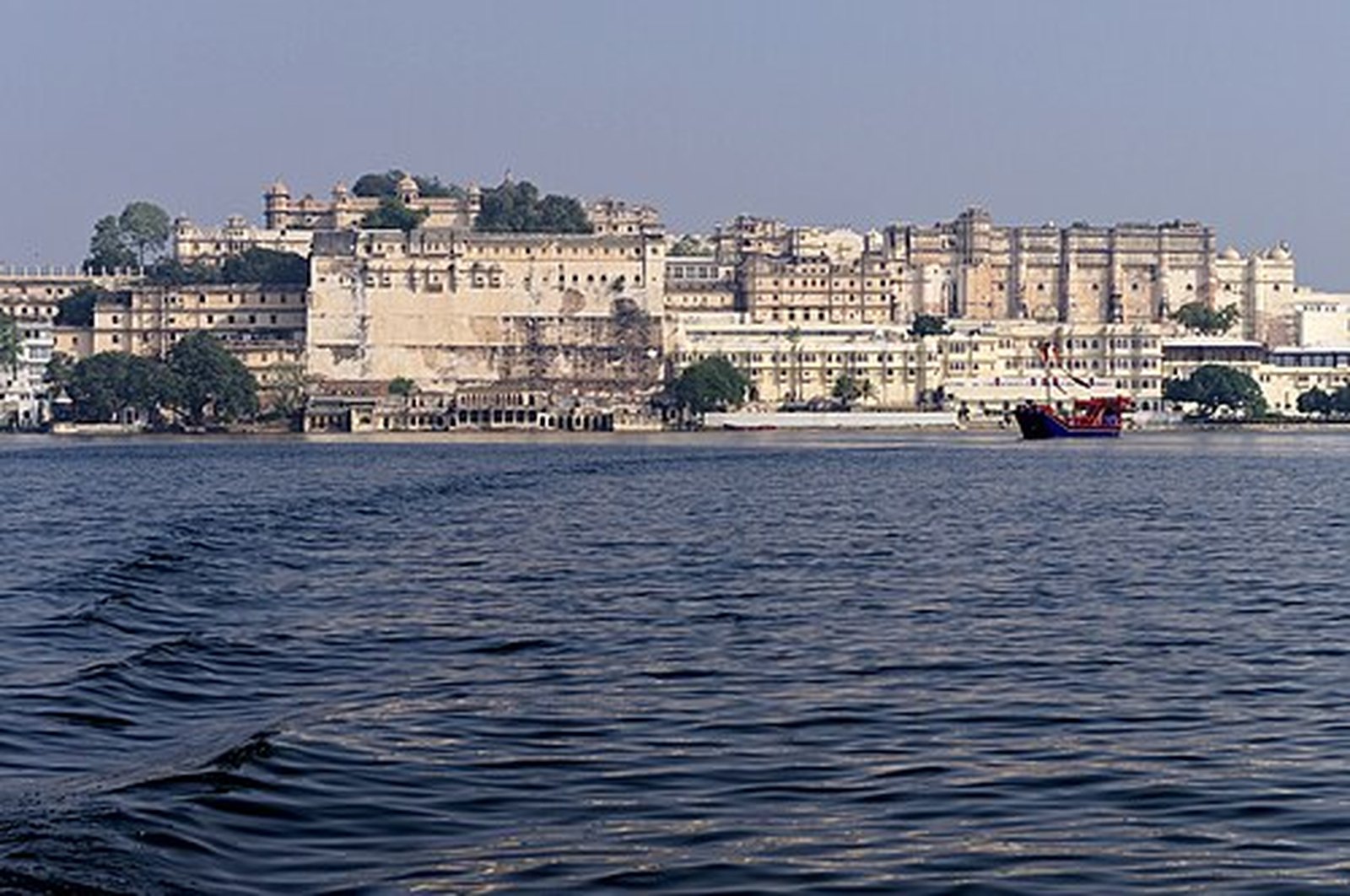
The realization did not come to me while standing in a crowded museum or reading a historical plaque. It came on my first evening, sitting on the water-worn stone embankments of the western shore. The geography of Mewar dictates a rhythm of extremes, demanding a sensory surrender to its environment. During the peak hours of the afternoon, the city is a chaotic symphony of heat, color, and commerce. The lakes are churned by heavy boat engines, and the dense urban grid vibrates with an exhausting, kinetic frenzy. Yet, the true character of this civilization is revealed only through the withdrawal of light.
I watched as the sun dipped behind the Aravalli ridges, and a profound atmospheric shift took hold. I realized then that the ancient ghats go completely silent after dark. It was an abrupt, almost startling transition. The sunset crowds vanish, and a vast canopy of stars emerges over the floating palaces. Staring out across the water, the architectural titans of the city ceased to be mere tourist attractions. The palace lights glow brightly, and far off, the gentle lap of water meets the stone. The city’s identity, I understood in that moment, relies on this exact nocturnal erasure of the modern world. There were no city lights. No noise. Just history and water.
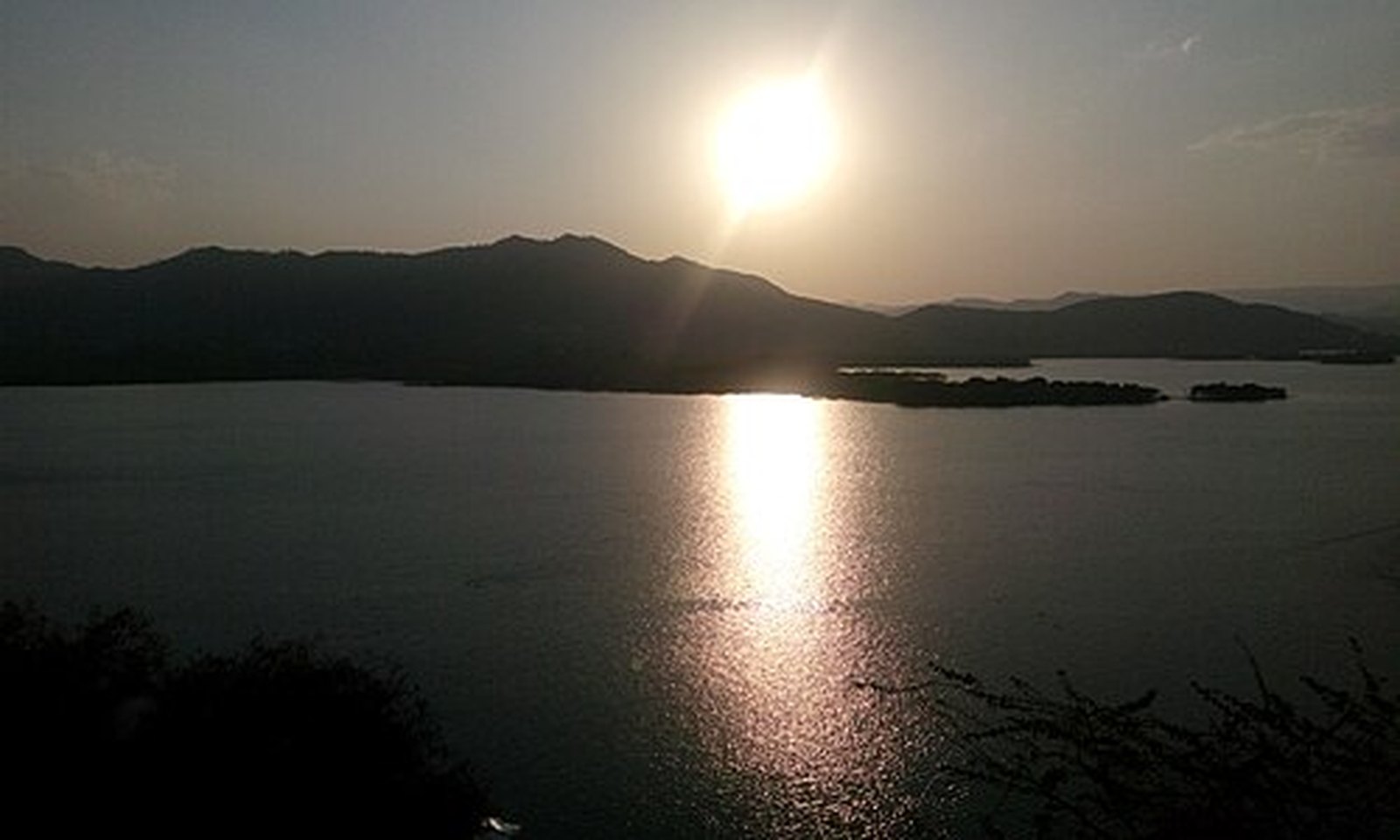
This is the great secret of Rajasthani cultural preservation: it relies on the natural environment to do the heavy lifting of solemnity. The people here have not had to build glass cases for their heritage because the landscape itself acts as the sanctuary. As I continued to watch the horizon, the royal lake goes completely silent after dark. The daytime tourist boats vanish, the ripples settle into black glassy water, and warm golden lights stretch across the surface. It was an overwhelming visual to process. The night air cools, and far off, a single temple bell echoes. It was not a performance. It was a private, ancient dialogue between the granite and the water, unfolding exactly as it had for hundreds of years. The realization struck me profoundly: there was no city traffic. No noise. Just water and heritage.
This stubborn refusal to let history become purely ornamental extended far beyond the imperial lakes. I wanted to understand how the memory of Mewar survived within the domestic sphere, away from the monumental grandiosity of the Maharanas. The answer lay deep within the labyrinthine, impossibly narrow alleys of the Old City. I found myself seeking out the ancestral townhouses, the dense, inward-facing fortresses of domestic life.
Pushing open a heavy, iron-studded door, I entered a space that immediately severed my connection to the twenty-first century. It was a 300-year-old haveli, and crossing its threshold felt like stepping back into the 18th century. I walked down a dimly lit, narrow stone corridor with intricate arches, designed specifically to break the chaotic momentum of the street outside. The spatial psychology of these homes is brilliant, they are engineered for isolation and intimacy.
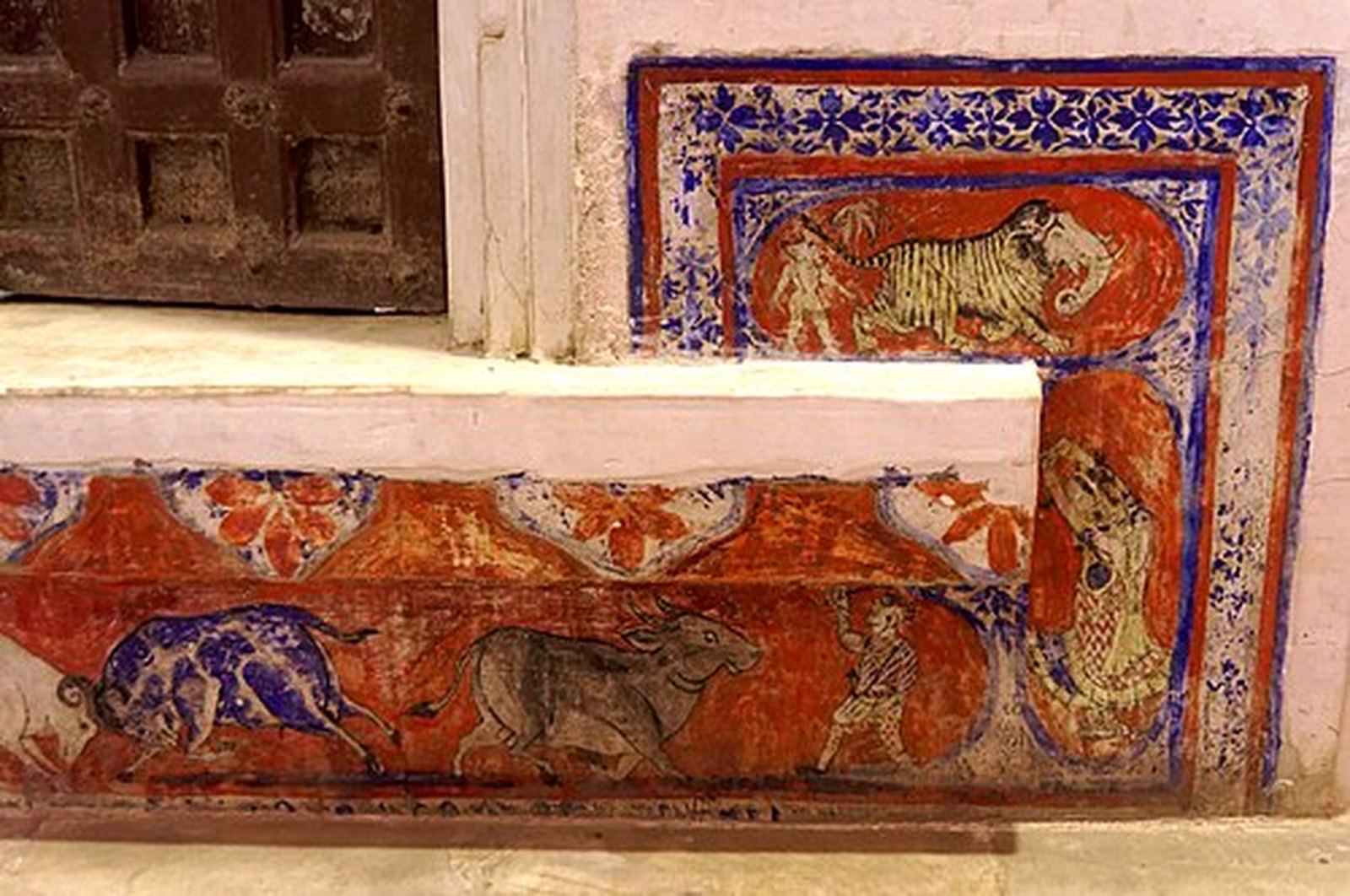
The dark corridor opened suddenly into a central, open-air courtyard. The grand haveli goes completely silent after dark. The daytime chatter vanishes, the carved archways cast long shadows, and warm vintage lamps illuminate the painted frescoes. I sat on the cool stone floor, looking up at the overhanging balconies, marveling at the fact that these walls were not cordoned off by historical societies. Families still live here, navigating the steep stairs and heavy stone thresholds daily. They maintain the lime plaster and the natural mineral paints of the frescoes not because it is a novelty, but because it is their home. As I sat there, the night breeze sets in, and far off, the faint sound of a traditional flute drifts across the dark. The architecture trapped the melody perfectly, transforming the courtyard into an instrument. In that space, there were no modern crowds. No noise. Just heritage and art.
Yet, for all its delicate art and refined architecture, one cannot grasp the ethos of Udaipur without confronting the brutal, unforgiving geography that birthed it. The luxury of the lakeside palaces was bought with the blood and paranoia of a kingdom constantly under siege. To understand this, I had to leave the comfort of the valley and ascend into the raw, dry-deciduous wilderness of the Aravalli mountains.
I traveled up the winding, treacherous switchbacks to reach the Monsoon Palace, an imposing, stark fortress situated 3,100 feet above the City of Lakes. Standing on those high, exposed terraces, the wind was fierce, and the sheer scale of the topographical isolation was terrifying. But as dusk turned to night, the atmosphere shifted just as it had by the water. The hilltop palace goes completely silent after dark. The daytime winds drop, the marble courtyards settle under a pitch-black canopy, and the city below glows like scattered gold dust.
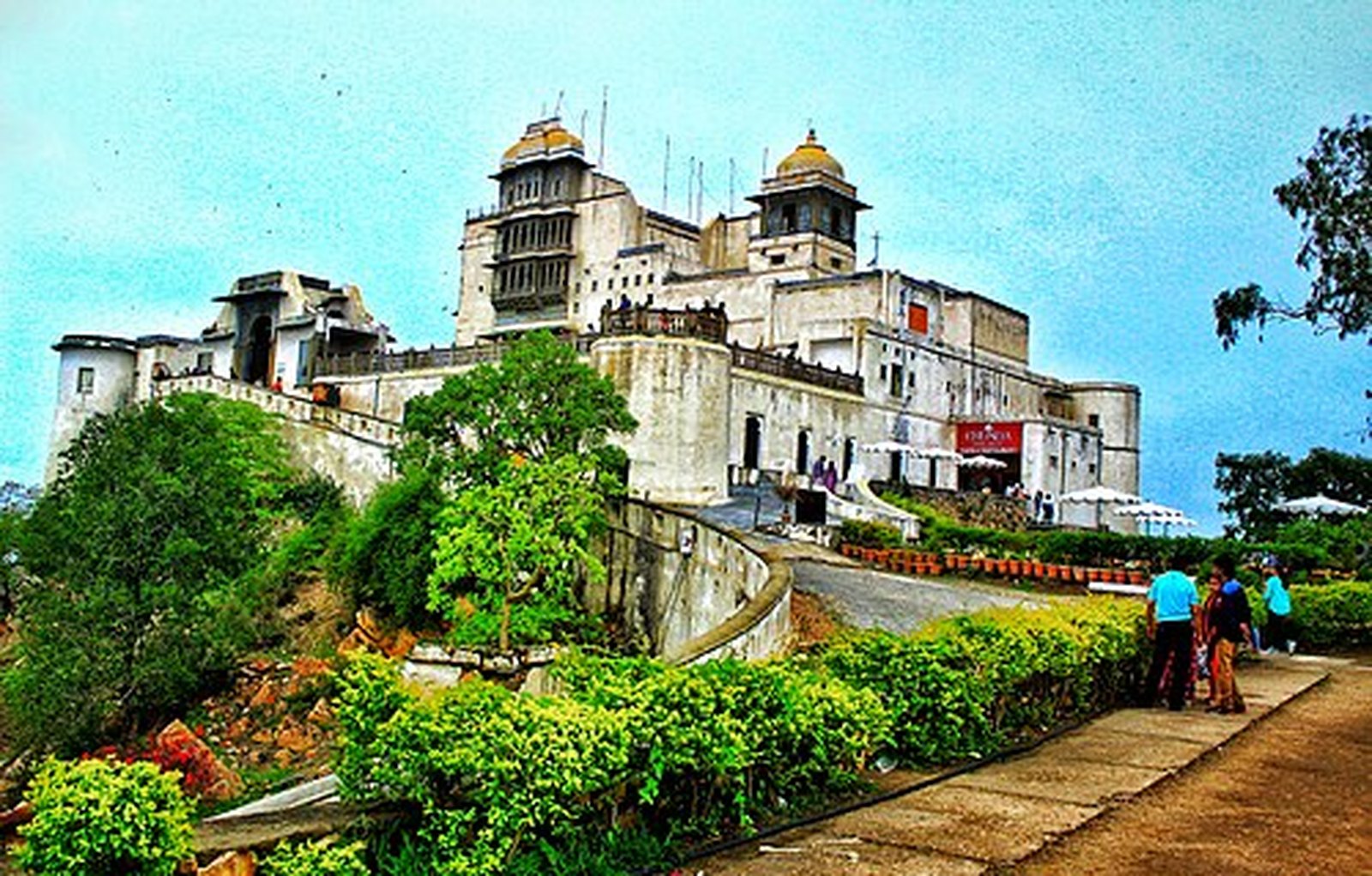
Looking down at the glittering civilization nestled between the dark ridges, the martial history of Rajasthan finally made sense to me. This culture is fiercely protected because it was forged in an environment that constantly threatened to destroy it. Ancient walls sit in shadow, and far off, the faint hum of Udaipur fades into the valley. Out here, on the ragged edge of the kingdom, the illusion of safety dissolved. There was no heavy traffic. No noise. Just mountains and stars. The art, the music, and the architecture of Mewar are profound precisely because they are acts of supreme defiance against this harsh, surrounding emptiness.
I sought out one final, defining experience before my time in the region concluded. I wanted to see the landscape entirely stripped of human architecture, to witness the raw foundation of the region. I ventured out to Badi Lake, a place often referred to as the lake in Udaipur nobody tells you about.
Arriving in the deep hours of the night, I found a landscape entirely devoid of commercial development. There were no floodlights, no vendors, and no marble palaces floating on the horizon. The wilderness lake goes completely silent after dark. Standing on the rugged shoreline, I felt an intense, elemental connection to the earth. The daytime heat drops, the surrounding Aravalli hills settle under a pitch-black canopy, and the stars glow brightly enough to reflect on the water. I watched the silhouettes of the historic pavilions sit in shadow, and far off, the faint call of a night owl echoes.
This, I realized, was the bedrock of the Rajasthani identity. The culture did not conquer this wilderness; it adapted to it, respecting its quiet terror and immense beauty. Standing by the black water, with no city lights. No noise. Just nature and stars, the full weight of my journey settled over me.
Udaipur had completely dismantled my cynical assumptions. I had arrived expecting to evaluate a historical theme park, looking for the seams where the performance of culture fell apart. Instead, I found a civilization anchored deep in the bedrock, continuing to dictate its own terms to the modern world. The people of Mewar are the custodians of an unbroken lineage of stone, water, and shadow. They do not merely remember their history; they wake up inside it every single day, keeping the ancient lamps lit against the dark.
More from the Udaipur issue
by Khushi Anand

A New Normal After the COVID‐19 Pandemic
January 12, 2022 in Editorial
And we’re again stuck in yet another wave of Covid. We don’t know how many waves are still out there waiting in a queue, but more and more people are getting vaccinated. One thing is for sure that sooner or later, the pandemic has to bite the dust. We have to bite off more than we can chew to embrace a post-Covid lifestyle.
Life after Covid-19 will not only be stretched up to bringing home the bacon, but it will embrace a whole new culture in which orthodox thinking will be removed. It will be equipped with a fresh basket of challenges. Like a majestic portal that welcomes us into a new world.
Digitalization and virtualization will be the new normal. Different work modes like remote working, hybrid working, and three model workings will be there. At the same time, outings along with the terms and conditions, a new page describing a long list of precautions will be added. “Sustainable, recyclable, hygiene, sanitization” will be new terms to attract a wide range of customers instead of traditional terms like “discounts, sales.”
Healthy products will be on the shelf, shake hands will be replaced by Namaste, identity proof will be not enough for international tours a document indicating our health status will be mandatory. You may see autonomous machines such as a robot, drones at your services. Instead of booking a ticket for a cinema, drama, concert on an application, a new menu saying “buy/rent” will be popped up. In restaurants and hotels, you will be now be welcomed with a sanitizer instead of a welcome drink. Travel will explode after the pandemic, and opportunities and venues for sociability will become huge post-Covid.
From a financial and economic perspective, the market will bounce back. Sustainable startups and businesses will go green, green jobs will be created, people will more likely prefer safe investments, long term views will be respected, the government will burn the midnight oil to attract the foreign investors to stabilize and expand the domestic economy, green projects will be quickly given the green signal, “go green” will be a new motto, the potential of M.S.M.E. will be recognized, supply and logistics chains will be strengthened, protectionism between friendly nations will be discouraged, billions of dollars will be poured into health and agriculture sectors.
The future will be brighter than we imagine, but along with that, the future of work has arrived faster, along with its challenges—many of them potentially multiplied—such as income polarization, unemployment rate at its peak as a result of inflation is soaring. Worker vulnerability, more gig work, and the need for workers to adapt to occupational transitions. This acceleration results from technological advances and new considerations for health and safety, and economies and labor markets will take time to recover and will likely emerge.
For a post-Covid lifestyle, we have to be adjustable enough to balance optimism and pessimism. People say that it takes a long time to return to everyday life, but there is a catch here. Life is proportional to the time, there wasn’t, and there will never be such a turn back where the life you lived in the past will return. Our lifestyle defines our definition of life, and circumstances define our lifestyle. Circumstances are never the same, and so does life. So it’s our call to cry on something which is not going to return or better prepare ourselves for the next unknown.
Remember present and future are the hostages of the past. As time goes, we have to recall our past equipped with rich experiences to get the right direction at the right time. Speed without direction leads to destruction.
Are we capable enough to live in a post -Covid world? Can we maintain the good habits we had harbored during the pandemic and recall them whenever necessary? I am asking this question because we failed to answer. After the 2001 earthquake, for a decade or so, the mentality of living in a highrise building had been quashed. It was like everyone had Acrophobia, and later the whole mentality took a turn. We follow specific protocols, rules, and principles when severe. After that, we openly flouted the protocols, regulations, and codes through which we had survived the tough conditions. The pandemic is a once-in-a-century crisis, and it has to be respected. Whatever we learn from that should be kept for the long term.
Visit MakeMyTrip for travel bookings. Also, have a look at our various monthly issues.
Regards
Khushi Anand
by Khushi Anand

Different Religious Faiths
June 10, 2021 in Editorial
People pray to god in different ways. They opt for different paths to connect to God. The message sent out from all religions is clear, and they all see god as one, single, universal power. Nevertheless, the path to attain oneness with god varies from person to person and depends on their religious beliefs.
Religion plays the role of a medium that connects man to god by laying down certain principles and guidelines and expects its followers to follow them with conviction. Adhering to the rules lying in religious scriptures, and passing on these practices from one generation to the other, has brought us to where we stand today.
Once a child is born in a family practicing a particular religion, the family members enforce their religious views on it and slowly instill faith in its tender mind. The child becomes the carrier of these practices, and he takes it to the next possible level, and this continues from one generation to the next one.
India is a land of different religious faiths. We find people who go to temples to offer prayers to God. Many others seek blessings from the lord by visiting churches. Others visit mosques to find oneness with God and many more. All these religious beliefs provide their channels to connect to God.
Likewise, people from different religions also differ in their cultural ways, lifestyles, food, clothing, celebrations, and how they live. People also habitually develop different food habits based on their religion, different ways of offering their services to god, idolizing god, etc.
In totality, religion is the base on which a person’s faith in God takes a particular shape and structure and finds its unique path to reach oneness with god. With religious beliefs arise the question of superiority leading to clashes between different religions.
India, a secular country, gives total freedom to a person to decide on the religion he wants to follow. Nobody can force a person to practice a particular religion that is against his belief system. Provisions for maintaining communal harmony and respect for all religions are laid down in our constitution, and we as citizens of this country should abide by this without fail.
For any doubts, feel free to ask on Quora, a social question-and-answer website.
Also, have a look at our various monthly issues.
Regards
Khushi Anand
by Khushi Anand

The Antique Andhra Pradesh
April 25, 2021 in Editorial, Andhra Pradesh
Incredible Andhra Pradesh, a fascinating blend of antiquity and modernity, is a beautiful panorama of magnificent monuments, great ancient shrines, splendid natural beauty, exotic wildlife, and modern temples of progress like Nagarjunasagar and Hitec City of Hyderabad. This land of Krishna and Godavari is also noted for its rich cultural heritage of literature, art, music, dance, and drama that caters to the demand of every visitor.
The antiquity of Andhra Desa dates back to 236 B.C., the year of Mauryan emperor Ashoka’s death. During the following centuries, Satvahanas, Sakas, Ikshvakus, Chalukyas, Kakatiyas held sway over the region. It also came under the rule of the Vijayanagar empire, and Qutub Shahis followed by the Nizams. 17th century onwards, the British annexed the territories of the Nizam and constituted the province of Madras. The charms of Andhra are rich and varied. Besides the famous archaeological, historical, pilgrim, and leisure centers, the State has numerous attractive off-beat tourist centers.
The coastal Andhra Pradesh extends for over 960 kms. making it the State with the most extended maritime boundary in the country. It is dotted with some of the fascinating virgin beaches, which can make Andhra one of the most exciting seaside destinations in the world. The northern areas are mountainous and have some beautiful hills and healthy resorts. The State, also known for its excellent communication network and hospitality, is rapidly emerging as the tourist destination of the new millennium.
For any doubts, feel free to ask on Quora, a social question-and-answer website.
Also, have a look at our various monthly issues.
Regards
Khushi Anand
by Khushi Anand

Gujarat, the ‘Glorious Land
March 24, 2021 in Editorial, Gujarat
Gorgeous Gujarat, India’s ‘glorious land,’ has a vibrant historical and cultural legacy. The region came under the reigns of various dynasties but witnessed significant progress under the rule of Chalukyas (Solankis). After this glorious respite, the region faced troubled times under the Muslims, Marathas, and the British. During this time, Gujarat was attacked and plundered by the rampaging forces of Mahmud of Ghazni, but the Chalukyan kings maintained general prosperity and well-being. Gujarat also played a significant role in India’s struggle for freedom. Mohandas Karamchand Gandhi, the most illustrious son of the State, gave a new direction to the freedom struggle movement. Some of the other stalwarts of the freedom movement from Gujarat are Dadabhai Naoroji, Pherozshah Mehta, Badruddin Tayabji, Vithalbhai Patel, and Sardar Vallabhbhai Patel, etc.
Gujarat is also regarded as a bastion of Jainism. Jains, a thriving mercantile society well known for their business acumen and enterprise, have contributed a lot to the progress of the State. Gujarat has witnessed spectacular growth in every sector and is one of the leading industrialized states of India, with industrial giants like Tata, Reliance, etc., hailing from this land. It has also emerged as a leading tourist destination in the country. The rich history and culture and the immense natural beauty and charm provide a fabulous off-beat holiday. Its numerous archaeological and historical sites, majestic monuments, sacred sites, beautiful beaches, hill and health resorts, wildlife sanctuaries, handicrafts, cuisine, and a tradition of hospitality combined with an excellent transport network and other modern amenities Will compel any traveler to pack the bags and reach for this fantastic destination.

For any doubts, feel free to ask on Quora, a social question-and-answer website.
Also, have a look at our various monthly issues.
Regards
Khushi Anand
by Khushi Anand

Punjab “The land of five rivers”
February 23, 2021 in Editorial, Punjab
Prosperous Punjab, the land of five (Punj) rivers (Aab), was the marvelous land of- Vedas, Indus valley civilization, Taxila University, milk and honey, arts, and artifacts. Through the centuries, it has borne the brunt of invasions and wars and, more recently, the holocaust of India’s partition. However, the enterprising and industrious people of Punjab bounced back to become one of the most affluent states of the country and recorded the highest per capita income in India.
Punjab has become synonymous with high spirits, prosperity, and passionate involvement with life itself. Agriculture is the mainstay of Punjab, and it is given the highest priority. The State is often referred to as the ‘Food Basket’ or the ‘Granary’ of India. Punjab is the ‘Land of Industrial Opportunity,’ with over 1.97 lakhs of small and medium industries and about 653 large-scale industries. It is the market leader in manufacturing machine and hand tools, printing and paper cutting machinery, auto parts and electrical switchgear, etc.
Punjab provides over 75% of the country’s bicycles, sewing machines, hosiery, and sports goods. The contribution of powerful Punjabis in the fields of sports and defense has also been very significant.
The progressive state of Punjab is also a treasure trove for an avid tourist. The fertile land is dotted with formidable forts, magnificent palaces, beautiful gardens, and sacred pilgrim centers. Its rich culture and zest for life are very well reflected in the rhythm of Bhangra, the witty repartees of girls performing the Gidda, and in its numerous fairs and festivals. The mouth-watering cuisine of Punjab is as full of zest as its people. A trip to Punjab is incomplete without an authentic meal of Makki-ki-roti (bread made of maize flour) and Sarson-ka-sag mustard leaves) along with a large glass of lassi (churned yogurt).
For any doubts, feel free to ask on Quora, a social question-and-answer website.
Also, have a look at our various monthly issues.
Regards
Khushi Anand
by Khushi Anand

The Capital Of India, Delhi
January 15, 2021 in Editorial, City Guide, Delhi
Delightful Delhi, the capital city of India, has traditionally been the seat of administrative power of India. It is a bustling metropolis that is known to be devastated and rebuilt many times in written history.
Here several dynasties rose and fell, leaving monumental gifts to posterity. The Qila Rai Pithora, bequeathed by a Rajput King; the Qutub Minar, grand gesture of an Afghan King; the Red Fort that Shah Jahan, the great Mughal built; the ruined Old Fort, where once the wise King Sher Shah lived; the glorious Jama Masjid, an eloquent reminder of Mughal religious fervor; the tombs and mausolea in remembrance of ruling nobles and kings. It is all here to see, this slow march of history, carved in stone.
The old ‘Dilli is not one, but the seven cities Hindu and Mughal emperors gave India. The New Delhi, the eighth Delhi, Edwin Lutyens, and Herbert Baker gave India. This is the Delhi of a world that plans its every move. Moreover, in all its geometrical symmetry, Lutyens planned New Delhi when city planning was still in its infancy. However, despite all the planning that has gone into it, Delhi still has a majestic beauty and an old-world charm. The glories of the empires of ages past may be seen in its grand buildings, standing or ruins.
Today’s Delhi blends its historical past with a vibrant present. Far away from The Capital Of India, Delhi, a garden city that is one of the world’s most elegant capitals, Old Delhi is ever-present. Outstanding monuments, old and not so old, lie side by side besides crisp new office and residential buildings, harmonizing the past with the present.
Thus the city is an absolute delight for the tourist who wishes to learn about the past and present of India and Indian people. Mirza Ghalib, the world-renowned poet and son of Delhi, has rightly described this fantastic city as “the soul in the body of the world.”
For any doubts, feel free to ask on Quora, a social question-and-answer website.
Also, have a look at our various monthly issues.
Regards
Khushi Anand
by Khushi Anand

Haryana & Chandigarh, ‘The Green Lands’
December 2, 2020 in Editorial, Haryana
The Haryana & Chandigarh, ‘Green Lands’ of India came into existence with the reorganization of Punjab on 1st November 1966. This ancient land has a glorious history of over 5,000 years and is regarded as the birthplace of Indian Vedic Civilisation. It is considered the home of the legendary Bharatà dynasty, which has given the name ‘Bharat’ to India.
Haryana has been immortalized by its close association with the great epic Mahabharta. Lord Krishna preached his philosophy of Karma and Dharma through Bhagwad Gita’ over here. Legendäry sage Ved Vyasa is believed to have composed Mahabharata in Sanskrit on the banks of river Saraswati, which once flowed through the State. No doubt the State is studded with numerous pilgrim centers. Haryana continued to play a leading role in the history of India till the advent of Muslims and the rise of Delhi as the imperial city. The three battles of Panipat are regarded as the turning points of Indian history.
Today, Haryana & Chandigarh is famous for its spectacular progress in agriculture and industry and is a pioneer in ‘Highway Tourism.’ Haryana has also become the first state in the country to launch ‘Farm-Tourism.’ It has been a trend-setter in ‘Golf Tourism’ and organizing crafts festivals. The world-renowned Surajkund Crafts Fair held every year in February is one of Haryana’s most important tourist attractions.
The sacred pilgrim sites, tourist resorts, Mughal gardens, beautiful lakes and bird sanctuaries, etc., have made Haryana a perfect ‘Vacation Land.’ The tourists are also lured by the lively folk dances and music, mouth-watering delicacies, exquisite handicrafts and handlooms, colorful fairs and festivals, and above all, the hospitality of Haryana’s hard-working and straightforward people.
For any doubts, feel free to ask on Quora, a social question-and-answer website.
Also, have a look at our various monthly issues.
Regards
Khushi Anand
by Khushi Anand

Maharashtra ‘The Great Nation’
November 26, 2020 in Editorial
Maharashtra, or the ‘great nation,’ is indeed one of the most significant states of India. Not only is it a State larger in area and population than most countries of the world, but it is also one of the most industrially and commercially developed areas of India. However, modern Maharashtra is not the bustle of industrial and agricultural activity or the frenzied pursuit of wealth and progress alone.
Part of the everyday scene anywhere in the State is the signs of its unique religious, cultural, historical, and martial heritages. Here are hundreds of shrines of all faiths that are almost as old as the religions. Every wherein the State is to be found evidence of the artistic skills of a people whose culture goes back thousands of years. In song and dance, painting and sculpture, architecture, and handicrafts, Maharashtra displays a fascinating variety of brilliant achievements that is nowhere more evident than in its cave temples and Hindu shrines.
All over Maharashtra are the relics of the glorious history of the great Chhatrapati Shivaji bequeathed the Maratha Empire. Apart from culture and history, Maharashtra, ‘the great nation,’ offers an idyllic traveler bliss in a land blessed by nature. Quiet and beautiful hill stations nestling in the bosoms of rugged peaks, secluded palm-shaded golden beaches lapped by the blue waters of the Arabian Sea, rushing rivers offering sport and recreation, placid lakes and warm springs that are balms that soothe and dense monsoon forests where bird and game never fail patient animal lover… These are all part of land created, as it were, only for a relaxing holiday.

For any doubts, feel free to ask on Quora, a social question-and-answer website.
Also, have a look at our various monthly issues.
Regards
Khushi Anand
by Khushi Anand

Explore Bihar & Jharkhand!
October 14, 2020 in Editorial, Bihar, Jharkhand
Bihar, the bastion of Buddhism, is said to be named after a Sanskrit word “vihara” or a Buddhist monastery, as this is the land from where the great religion of Buddhism originated and spread all around the world. This ancient land is also sacred by the Jains, as 6 Jain Tirthankaras were born, and 22 out of 24 Tirthankaras attained nirvana (salvation) at this sacred land. Lord Mahavir, the founder of Jainism, was born and stayed here for 42 years. Also associated with this land of great religions is Guru Gobind Singh, the tenth Sikh Guru, Patna’s birthplace. The sacred land of monasteries is studded with some important Hindu, Jain, Muslim, and Sikh shrines. Bihar was also a great center of learning. The ruins of the worlds’ earliest university still reflect the grandeur of the bygone era.
The State has a very ancient, glorious, and colorful history. India’s first significant empires, which held sway over the region before the Christian era, rose and fell here. Some of the great rulers and dynasties to have ruled the land include, Bimbisara; Udayin, founder of Patliputra city; Chandragupta Maurya, and Ashoka, the great of Mauryan dynasty the Sungas, Kanvas, and Kushans followed by Chandragupta Vikramaditya of the Gupta dynasty. During the medieval period, it came under the reigns of Muslims, and finally, the Britishers occupied the region.
The holy river Ganga flowing through the State has enriched the plains and made the region so fertile and plentiful that its natural prosperity nurtured a veritable fountainhead of political and cultural civilizations down the millennia. Today, Bihar is a quaint interface of ancient and anon.
Jharkhand spread tantalizingly over Chhotanagpur Plateau, and Santhal Paragana is a land endowed with rare natural gifts. It came into existence on 15th November 2000 as the 28th State of the Indian Union. This homeland of tribals is full of stunning landscapes, majestic mountains, verdant valleys, serpentine rivers, beautiful waterfalls, lush green forests, and exotic wildlife. It seems as if Mother Nature has magnanimously bestowed much of its charm to the State and presents her best form – pure, pristine, picturesque, and phenomenal.
The mineral-rich Chhotanagpur plateau accounts for over 41 % of the country’s total mineral production. Thus, many mineral-based industries can be seen over here, which blend nicely with the landscape. Besides large mineral deposits, numerous rivers crisscrossing the State are perfect for harnessing the power, and rich forest resources are sure to make Jharkhand the new epicenter of the Indian industry.
This retreat of peace and beauty has all the ingredients for a perfect offbeat holiday. It is a must-visit destination for nature lovers and adventure enthusiasts.

For any doubts, feel free to ask on Quora, a social question-and-answer website.
Also, have a look at our various monthly issues.
Regards
Khushi Anand
